What are Bunions?

A bunion is a common foot condition that causes a visible bony protrusion to form at the base of the big or pinky toe. Bunions vary in severity, so while some may be mild, others can be painful. If a bunion is causing discomfort or pain, this could potentially lead to other foot ailments due to a shift in gait. Treatment for bunions usually begins with a change in footwear. Wearing narrow, tight, and pointed footwear can intensify an already existing bunion. Switching to wider shoes that fit properly and offer support should help to alleviate some of the symptoms associated with bunions. Shoe inserts that help improve arch support and toe spacers are also recommended in treating bunions. If these conservative methods don't provide relief, it is suggested that you consult with a local podiatrist. 

If you are suffering from bunion pain, contact Dr. Tupper of Coshocton Foot Health Center. Our doctor can provide the care you need to keep you pain-free and on your feet.

What Is a Bunion?

Bunions are painful bony bumps that usually develop on the inside of the foot at the joint of the big toe. As the deformity increases over time, it may become painful to walk and wear shoes. Women are more likely to exacerbate existing bunions since they often wear tight, narrow shoes that shift their toes together. Bunion pain can be relieved by wearing wider shoes with enough room for the toes.

Causes

  • Genetics – some people inherit feet that are more prone to bunion development
  • Inflammatory Conditions - rheumatoid arthritis and polio may cause bunion development

Symptoms

  • Redness and inflammation
  • Pain and tenderness
  • Callus or corns on the bump
  • Restricted motion in the big toe

In order to diagnose your bunion, your podiatrist may ask about your medical history, symptoms, and general health. Your doctor might also order an x-ray to take a closer look at your feet. Nonsurgical treatment options include orthotics, padding, icing, changes in footwear, and medication. If nonsurgical treatments don’t alleviate your bunion pain, surgery may be necessary.

If you have any questions, please feel free to contact our office located in Coshocton, OH . We offer the newest diagnostic and treatment technologies for all your foot care needs.

Read more about What Are Bunions?

Cracked Heels and How to Restore Smooth Skin

Cracked heels are splits in the thick skin on the heel that develop when the skin becomes dry, hard, or endures too much pressure. They can be painful and may worsen if not cared for properly. Causes include cold weather, long periods of standing on hard surfaces, wearing open back shoes, vitamin deficiencies, and conditions such as hypothyroidism that affect skin health. These cracks can deepen over time, making walking uncomfortable and increasing the risk of infection. A podiatrist can remove thickened skin safely, recommend moisturizing treatments, and identify any underlying conditions contributing to the problem. If your heels feel dry, painful, or cracked, it is suggested that you consult a podiatrist who can effectively treat this condition, which may include prescribed medication.

If the skin on your feet starts to crack, you may want to see a podiatrist to find treatment. If you have any concerns, contact Dr. Tupper from Coshocton Foot Health Center. Our doctor can provide the care you need to keep you pain-free and on your feet.

Cracked Heels

It is important to moisturize your cracked heels in order to prevent pain, bleeding, and infection. The reason cracked heels form is because the skin on the foot is too dry to support the immense pressure placed on them. When the foot expands, the dry skin on the foot begins to split.

Ways to Help Heal Them

  • Invest in a good foot cream
  • Try Using Petroleum Jelly
  • Ease up on Soaps
  • Drink Plenty of Water

Ways to Prevent Cracked Heels

  • Moisturize After Showering
  • Skip a Shower
  • Keep Shower Water Lukewarm
  • Don’t Scrub Your Feet

If you are unsure how to proceed in treating cracked heels, seek guidance from a podiatrist. Your doctor will help you with any questions or information you may need. 

If you have any questions, please feel free to contact our office located in Coshocton, OH . We offer the newest diagnostic and treatment technologies for all your foot care needs.
Read more about Solutions for Cracked Heels

Falls Prevention Tips for Seniors at Home

Helping seniors stay safe at home begins with simple changes that reduce everyday risks. Keeping commonly used items within easy reach prevents the need for stretching or climbing. Replacing dim bulbs and using night lights improves visibility and reduces the chance of tripping in low light areas. Installing grab bars in bathrooms and hallways provides extra support and confidence. Choosing rugs with non-slip backing keeps floors secure and prevents sliding. A podiatrist can assess balance concerns, identify foot or ankle issues, recommend proper footwear, and create strategies to enhance stability. If you have sustained a foot or ankle injury from falling at home, it is suggested that you contact a podiatrist who can treat these kinds of injuries, and guide you on additional fall prevention strategies.

Preventing falls among the elderly is very important. If you are older and have fallen or fear that you are prone to falling, consult with Dr. Tupper from Coshocton Foot Health Center. Our doctor will assess your condition and provide you with quality advice and care.

Every 11 seconds, an elderly American is being treated in an emergency room for a fall related injury. Falls are the leading cause of head and hip injuries for those 65 and older. Due to decreases in strength, balance, senses, and lack of awareness, elderly persons are very susceptible to falling. Thankfully, there are a number of things older persons can do to prevent falls.

How to Prevent Falls

Some effective methods that older persons can do to prevent falls include:

  • Enrolling in strength and balance exercise program to increase balance and strength
  • Periodically having your sight and hearing checked
  • Discuss any medications you have with a doctor to see if it increases the risk of falling
  • Clearing the house of falling hazards and installing devices like grab bars and railings
  • Utilizing a walker or cane
  • Wearing shoes that provide good support and cushioning
  • Talking to family members about falling and increasing awareness

Falling can be a traumatic and embarrassing experience for elderly persons; this can make them less willing to leave the house, and less willing to talk to someone about their fears of falling. Doing such things, however, will increase the likelihood of tripping or losing one’s balance. Knowing the causes of falling and how to prevent them is the best way to mitigate the risk of serious injury.  

If you have any questions, please feel free to contact our office located in Coshocton, OH . We offer the newest diagnostic and treatment technologies for all your foot care needs.

Read more about Falls Prevention

Gout Pain Can Be Managed

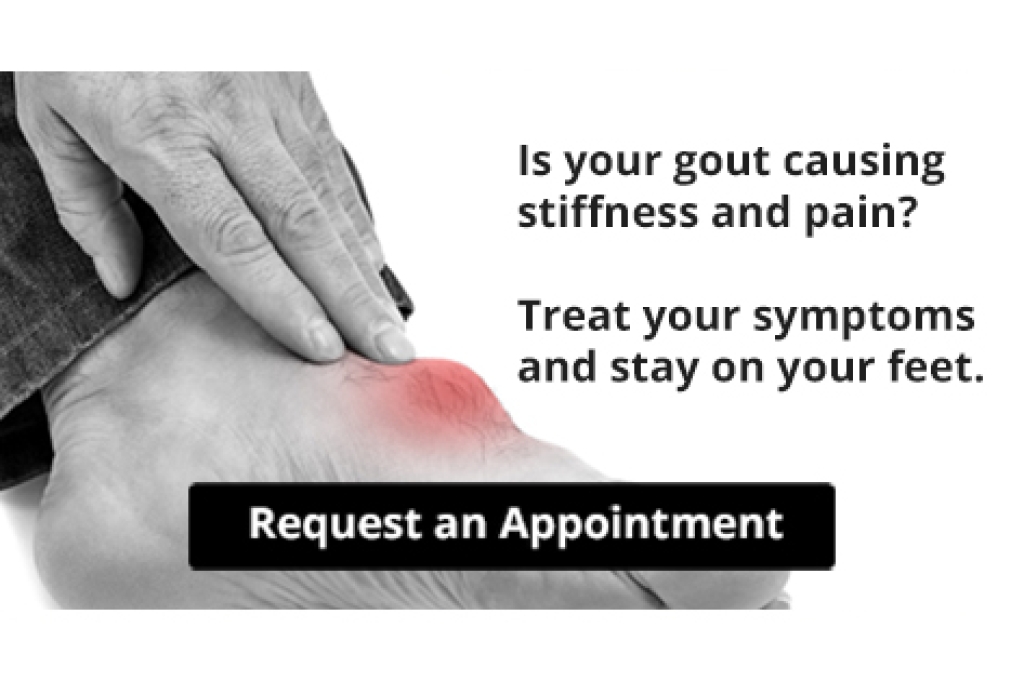
Gout is a painful, inflammatory form of arthritis. Those affected will typically feel an intense stiffness in the joints of their feet, particularly in the big toe. Schedule a visit to learn about how gout can be managed and treated.

Pros and Cons of Diabetic Foot Offloading Devices

Diabetic offloading devices are designed to reduce pressure on areas of the feet that are vulnerable to ulcers, especially the heels, toes, and forefoot. These devices include specialized boots, casts, and orthotic inserts that redistribute weight away from high-pressure points, allowing wounds to heal more effectively. A benefit is that they protect sensitive areas from repetitive stress and friction, which lowers the risk of infections that can lead to limb loss. They also encourage proper alignment, helping reduce strain on surrounding joints and soft tissue. However, some off-loading devices can have drawbacks, such as limited mobility, difficulty fitting into regular shoes, or discomfort, if not properly adjusted. Some people may also find them bulky, which affects daily activities. A podiatrist can determine the most appropriate device, monitor its effectiveness, and adjust it as needed to prevent further complications. If you have diabetes and have developed foot pain, t is strongly  suggested that you are under the care of a podiatrist who can help you to manage this serious condition.

Diabetic foot care is important in preventing foot ailments such as ulcers. If you are suffering from diabetes or have any other concerns about your feet, contact Dr. Tupper from Coshocton Foot Health Center. Our doctor can provide the care you need to keep you pain-free and on your feet.

Diabetic Foot Care

Diabetes affects millions of people every year. The condition can damage blood vessels in many parts of the body, especially the feet. Because of this, taking care of your feet is essential if you have diabetes, and having a podiatrist help monitor your foot health is highly recommended.

The Importance of Caring for Your Feet

  • Routinely inspect your feet for bruises or sores.
  • Wear socks that fit your feet comfortably.
  • Wear comfortable shoes that provide adequate support.

Patients with diabetes should have their doctor monitor their blood levels, as blood sugar levels play such a huge role in diabetic care. Monitoring these levels on a regular basis is highly advised.

It is always best to inform your healthcare professional of any concerns you may have regarding your feet, especially for diabetic patients. Early treatment and routine foot examinations are keys to maintaining proper health, especially because severe complications can arise if proper treatment is not applied.

If you have any questions, please feel free to contact our office located in Coshocton, OH . We offer the newest diagnostic and treatment technologies for all your foot care needs.

Read more about Diabetic Foot Conditions
scroll to top