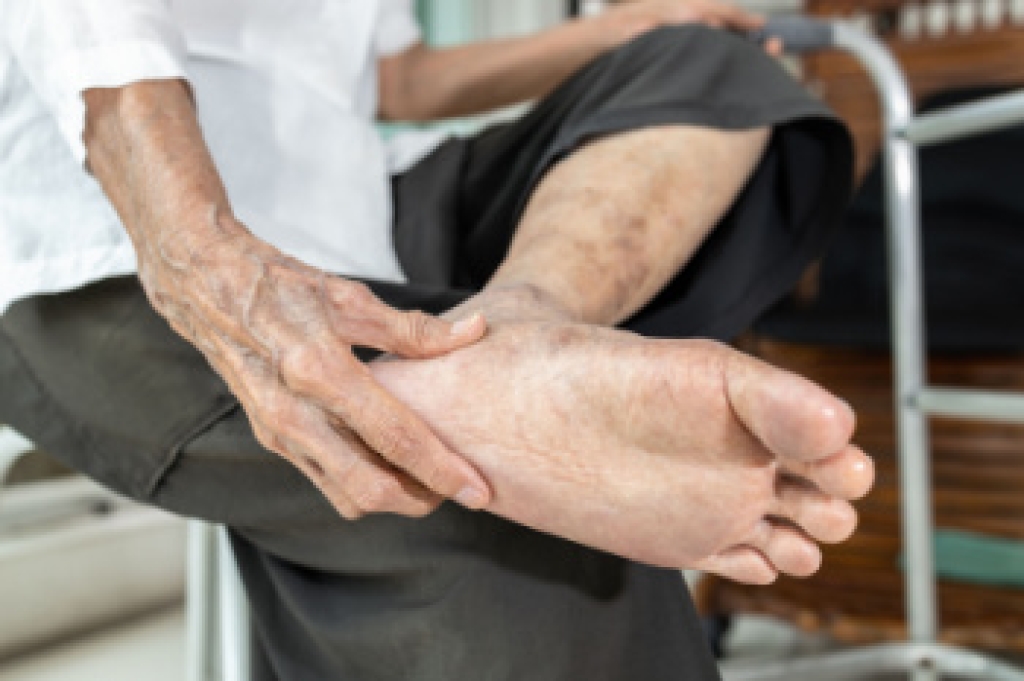
Foot Problems Common in Seniors

Foot problems become more frequent with age as natural changes affect the bones, joints, and soft tissues. A loss of flexibility can lead to flat feet, where the arch collapses and causes strain. Seniors may also develop bunions, which are bony bumps at the base of the big toe that can lead to pain and difficulty walking. Joint wear, often called arthritis, can cause stiffness and swelling in the feet and ankles. In addition, reduced bone strength increases the risk of stress fractures, which are small cracks in the bone caused by repeated pressure. Circulation changes and nerve issues may also lead to discomfort or reduced feeling in the feet. A podiatrist can evaluate these conditions, provide custom orthotics to improve support, and offer medical care to relieve pain and prevent further damage. If you are experiencing foot pain as a senior adult, it is suggested that you make an appointment with a podiatrist for a diagnosis and treatment.

If you need your feet checked, contact Dr. Tupper of Coshocton Foot Health Center. Our practitioner will attend to all of your foot and ankle needs and provide you with quality treatment.

Geriatrics and Podiatry
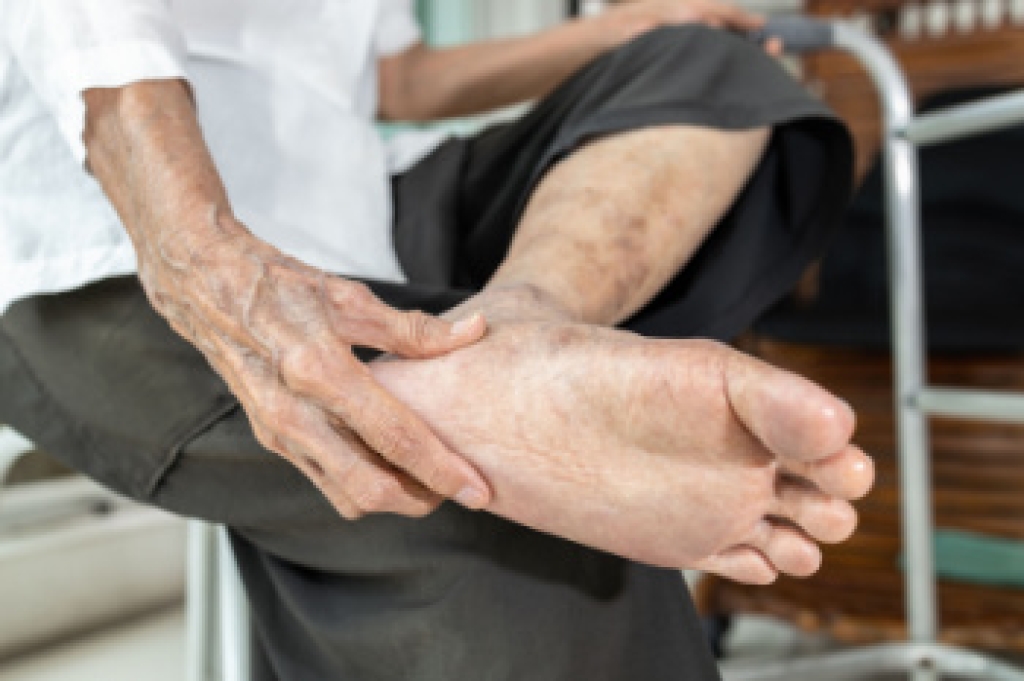
When people age, some common issues that may occur are bone density loss, dry skin, poor circulation, and rough brittle nails. These issues may also affect your foot health if the necessary steps are not taken to alleviate the problems.

It is important to take care of your feet because feet that are injured or diseased can affect your overall health. Having painful feet hinders your ability to do daily activities or may decrease your willingness to do the things that you need to do.

Visiting Your Geriatrician
As we age, health problems become more likely, so it is essential to visit your doctor for check-ups to ensure that you are doing the best you can to take care of your health. It is recommended to check your feet frequently for any possible cuts, bruises, swelling, corns or any other irregularities. 

Taking Care of Elderly Feet
Cracked or dry feet can be treated by applying moisturizer often. It is also important not to wear old socks because the older the sock is, the higher the possibility there will be that there is bacteria there. Wear fresh socks and make sure they fit properly.

Proper foot health means that you can have a more active lifestyle and you will not be bogged down by pain. Foot health also leads to good circulation, which is paramount for overall health.

If you have any questions, please feel free to contact our office located in Coshocton, OH . We offer the newest diagnostic and treatment technologies for all your foot care needs.
Read more about Elderly Foot Care

Tendon Trouble in the Foot and Ankle

Tendinopathies of the foot and ankle refer to irritation or breakdown of tendons, the strong bands that connect muscle to bone and help control movement. Common examples include Achilles tendinopathy, pain and thickening of the tendon at the back of the heel, and posterior tibial tendon dysfunction, in addition to a weakening of the tendon that supports the arch, and irritation of tendons along the outer ankle that help stabilize the foot. These conditions often develop from overuse, poor foot mechanics, sudden increases in activity, or wearing unsupportive shoes. Symptoms may include aching pain, stiffness, swelling, or weakness, especially during or after movement. Early care can prevent worsening. Rest, activity changes, wearing supportive footwear, and targeted exercises are often helpful. Custom orthotics may reduce strain on affected tendons. In some cases, imaging and more advanced treatments are needed to guide healing and restore function. Ignoring symptoms can lead to chronic pain or tearing. If tendon pain is limiting your activity or comfort, it is suggested that you see a podiatrist for a diagnosis and appropriate treatment.

Ankle pain can have many different causes and the pain may potentially be serious. If you have ankle pain, consult with Dr. Tupper from Coshocton Foot Health Center. Our practitioner will assess your condition and provide you with quality foot and ankle treatment.

Ankle pain is any condition that causes pain in the ankle. Due to the fact that the ankle consists of tendons, muscles, bones, and ligaments, ankle pain can come from a number of different conditions.

Causes

The most common causes of ankle pain include:

  • Types of arthritis (rheumatoid, osteoarthritis, and gout)
  • Ankle sprains
  • Broken ankles
  • Achilles tendinitis
  • Achilles tendon rupture
  • Stress fractures
  • Tarsal tunnel syndrome
  • Plantar fasciitis

Symptoms

Symptoms of ankle injury vary based upon the condition. Pain may include general pain and discomfort, swelling, aching, redness, bruising, burning or stabbing sensations, and/or loss of sensation.

Diagnosis

Due to the wide variety of potential causes of ankle pain, podiatrists will utilize a number of different methods to properly diagnose ankle pain. This can include asking for personal and family medical histories and of any recent injuries. Further diagnosis may include sensation tests, a physical examination, and potentially x-rays or other imaging tests.

Treatment

Just as the range of causes varies widely, so do treatments. Some more common treatments are rest, ice packs, keeping pressure off the foot, orthotics and braces, medication for inflammation and pain, and surgery.

If you have any questions please feel free to contact our office located in Coshocton, OH . We offer the newest diagnostic tools and technology to treat your foot and ankle needs.

Read more about Various Causes of Ankle Pain

Caring for Painful Foot Blisters

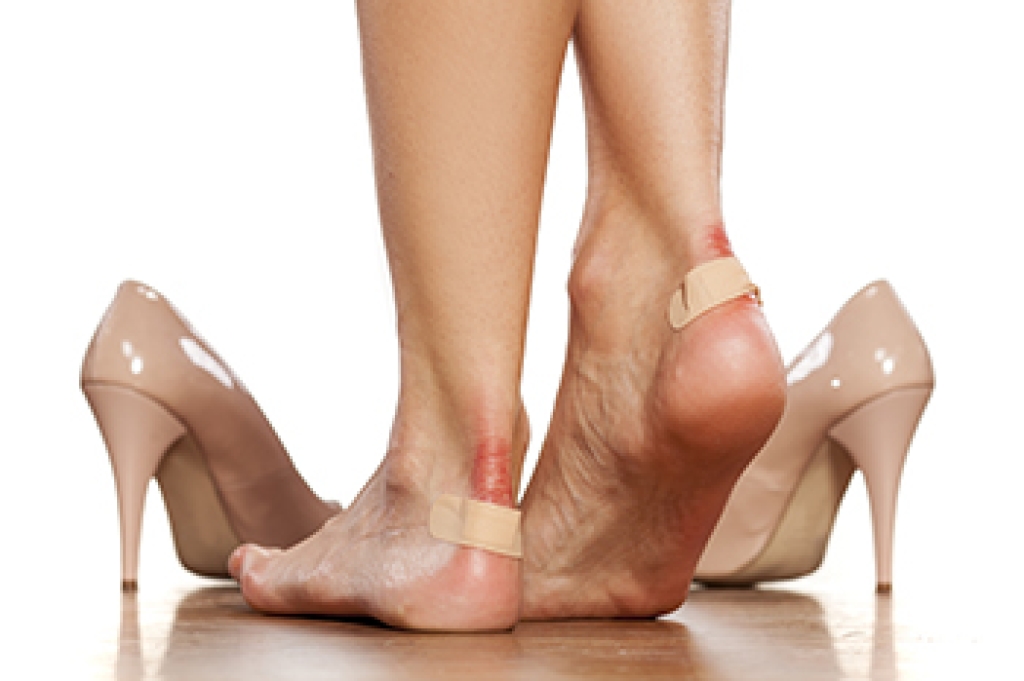
Foot blisters form when friction, heat, and moisture work together to irritate the skin. A small pocket of fluid develops as the body’s natural way of protecting deeper layers from further damage. Although they may seem minor, blisters can become painful quickly, especially when they appear on areas that bear weight or rub against shoes. Keeping the skin clean and covered is important because an open blister creates an easy path for infection. Choosing well-fitting footwear, moisture-wicking socks, and allowing your feet to dry fully after activity helps lower the chances of new blisters forming. Avoid popping a blister on your own. Recurring blisters may signal issues with gait, shoe structure, or foot mechanics. If blisters continue despite careful attention or become red, warm, or swollen, it is suggested that you see a podiatrist for proper evaluation and care.

Blisters are prone to making everyday activities extremely uncomfortable. If your feet are hurting, contact Dr. Tupper of Coshocton Foot Health Center. Our practitioner can provide the care you need to keep you pain-free and on your feet.

Foot Blisters

Foot blisters develop as a result of constantly wearing tight or ill-fitting footwear. This happens due to the constant rubbing from the shoe, which can often lead to pain.

What Are Foot Blisters?

A foot blister is a small fluid-filled pocket that forms on the upper-most layer of the skin. Blisters are filled with clear fluid and can lead to blood drainage or pus if the area becomes infected.

How Do Blisters Form?

Blisters on the feet are often the result of constant friction of skin and material, usually by shoe rubbing. Walking in sandals, boots, or shoes that don’t fit properly for long periods of time can result in a blister. Having consistent foot moisture and humidity can easily lead to blister formation.

Prevention & Treatment

It is important to properly care for the affected area in order to prevent infection and ease the pain. Do not lance the blister and use a Band-Aid to provide pain relief. Also, be sure to keep your feet dry and wear proper fitting shoes. If you see blood or pus in a blister, seek assistance from a podiatrist.

If you have any questions, please feel free to contact our office located in Coshocton, OH . We offer the newest diagnostic and treatment technologies for all your foot care needs.

Read more about Blisters on the Feet

Why Live with Pain and Numbness in Your Feet?

Suffering from this type of pain? You may have the foot condition known as Morton's neuroma. Morton's neuroma may develop as a result of ill-fitting footwear and existing foot deformities. We can help.

Zumba Dancing and Foot Health

Zumba dancing is an energetic activity that helps strengthen the bones of the feet through repetitive weight-bearing movement. This type of exercise supports the maintenance of bone density, which is essential for preventing weakness and injury. The dynamic steps in Zumba improve balance and coordination while also enhancing muscle strength in the feet and ankles. Increased joint mobility is another benefit, allowing for better flexibility and reduced stiffness during daily activities. Regular participation can contribute to overall foot health and stability. A podiatrist can evaluate your foot structure, recommend supportive footwear, and address any discomfort that may arise from this activity. If you have developed foot pain from Zumba dancing, it is suggested that you consult a podiatrist who can treat various foot and ankle injuries, and guide you on staying active while protecting your feet.

Exercising your feet regularly with the proper foot wear is a great way to prevent injuries and build strength. If you have any concerns about your feet, contact Dr. Tupper from Coshocton Foot Health Center. Our practitioner can provide the care you need to keep you pain-free and on your feet.

Exercise for Your Feet

Exercise for your feet can help you gain strength, mobility and flexibility in your feet. They say that strengthening your feet can be just as rewarding as strengthening another part of the body. Your feet are very important, and we often forget about them in our daily tasks. But it is because of our feet that are we able to get going and do what we need to. For those of us fortunate enough to not have any foot problems, it is an important gesture to take care of them to ensure good health in the long run.

Some foot health exercises can include ankle pumps, tip-toeing, toe rises, lifting off the floor doing reps and sets, and flexing the toes. It is best to speak with Our practitioner to determine an appropriate regimen for your needs. Everyone’s needs and bodies are different, and the activities required to maintain strength in the feet vary from individual to individual. 

Once you get into a routine of doing regular exercise, you may notice a difference in your feet and how strong they may become.

If you have any questions, please feel free to contact our office located in Coshocton, OH . We offer the newest diagnostic and treatment technologies for all your foot care needs.

Read more about Exercise for Your Feet
scroll to top