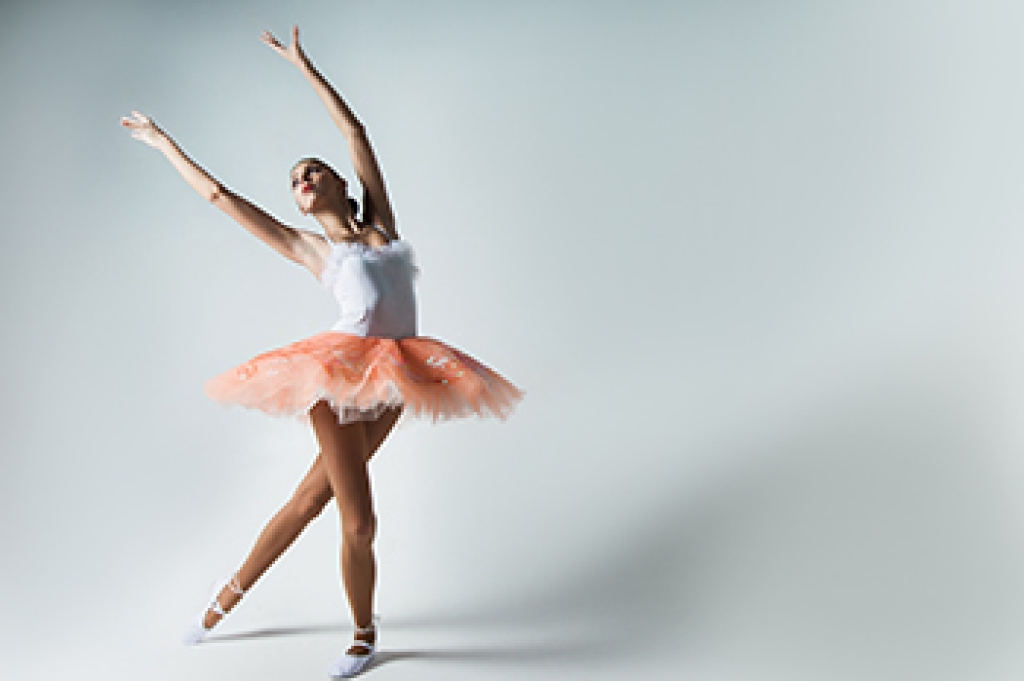
Facts About Dancer’s Fractures

A dancer’s fracture is a specific type of break that affects the fifth metatarsal, the long bone on the outer side of the foot that connects the little toe to the middle of the foot. This injury often occurs after a sudden twisting motion, awkward landing, or direct impact that places strong force on the outer edge of the foot. Although it is commonly seen in dancers and athletes, anyone can develop this fracture during daily activities or sports. Symptoms of a dancer’s fracture include sharp outer foot pain, swelling, bruising, tenderness, and difficulty walking or bearing weight. The break is usually diagonal along the middle portion of the bone. A podiatrist can perform a thorough exam, order X-rays to confirm the injury, and create a treatment plan to support proper healing. If you believe you have sustained a foot fracture, it is suggested that you make an appointment with a podiatrist for an exam, diagnosis, and treatment.

A broken foot requires immediate medical attention and treatment. If you need your feet checked, contact Dr. Tupper from Coshocton Foot Health Center. Our practitioner can provide the care you need to keep you pain-free and on your feet.

Broken Foot Causes, Symptoms, and Treatment

A broken foot is caused by one of the bones in the foot typically breaking when bended, crushed, or stretched beyond its natural capabilities. Usually the location of the fracture indicates how the break occurred, whether it was through an object, fall, or any other type of injury. 

Common Symptoms of Broken Feet:

  • Bruising
  • Pain
  • Redness
  • Swelling
  • Blue in color
  • Numbness
  • Cold
  • Misshapen
  • Cuts
  • Deformities

Those that suspect they have a broken foot shoot seek urgent medical attention where a medical professional could diagnose the severity.

Treatment for broken bones varies depending on the cause, severity and location. Some will require the use of splints, casts or crutches while others could even involve surgery to repair the broken bones. Personal care includes the use of ice and keeping the foot stabilized and elevated.

If you have any questions, please feel free to contact our office located in Coshocton, OH . We offer the newest diagnostic and treatment technologies for all your foot care needs.

Read more about Causes, Symptoms, and Treatment for a Broken Foot

Diabetes Related Foot Problems

Diabetes is a chronic metabolic condition that affects how the body regulates blood glucose levels and can lead to several complications that impact foot health. Over time, diabetes may cause nerve-related damage known as neuropathy, which reduces sensation in the feet and makes it difficult to detect injuries. Skin-related changes , including dryness, cracking, and thickened calluses that increase pressure on certain areas of the foot, may also develop. Poor circulation and reduced healing ability may allow minor irritation to progress into more serious wounds. A podiatrist can help monitor foot health, safely manage calluses, evaluate circulation, and provide guidance on proper foot care. If you have diabetes and foot concerns arise, it is strongly suggested that you care under the care of a podiatrist who can help you to manage this serious condition.

Diabetic foot care is important in preventing foot ailments such as ulcers. If you are suffering from diabetes or have any other concerns about your feet, contact Dr. Tupper from Coshocton Foot Health Center. Our practitioner can provide the care you need to keep you pain-free and on your feet.

Diabetic Foot Care

Diabetes affects millions of people every year. The condition can damage blood vessels in many parts of the body, especially the feet. Because of this, taking care of your feet is essential if you have diabetes, and having a podiatrist help monitor your foot health is highly recommended.

The Importance of Caring for Your Feet

  • Routinely inspect your feet for bruises or sores.
  • Wear socks that fit your feet comfortably.
  • Wear comfortable shoes that provide adequate support.

Patients with diabetes should have their doctor monitor their blood levels, as blood sugar levels play such a huge role in diabetic care. Monitoring these levels on a regular basis is highly advised.

It is always best to inform your healthcare professional of any concerns you may have regarding your feet, especially for diabetic patients. Early treatment and routine foot examinations are keys to maintaining proper health, especially because severe complications can arise if proper treatment is not applied.

If you have any questions, please feel free to contact our office located in Coshocton, OH . We offer the newest diagnostic and treatment technologies for all your foot care needs.

Read more about How to Care for Diabetic Foot

When Flat Feet Cause Pain in Children and Teens

Flat feet are typical in children and adolescents, but they do not always cause discomfort. In some young patients, however, the arch collapses more than expected during standing or walking. This excessive inward rolling, known as over-pronation, can place strain on muscles, ligaments, and growing bones. As activity increases, pain may develop in the arch, heel, or ankle. Active children involved in sports may notice fatigue, frequent tripping, or reduced endurance. Tight calf muscles and ligament-related laxity can worsen instability. In certain cases, an underlying structural condition may contribute to stiffness or limited motion. Early evaluation helps determine whether the flat-foot condition is flexible or rigid. Wearing supportive, well-fitting shoes and custom-made orthotics can improve alignment and reduce strain. Stretching exercises may also ease muscle tension. If your child has ongoing foot or ankle pain related to flat feet, it is suggested that you see a podiatrist for a proper diagnosis and effective relief and management techniques.

Flatfoot is a condition many people suffer from. If you have flat feet, contact Dr. Tupper from Coshocton Foot Health Center. Our practitioner will treat your foot and ankle needs.

What Are Flat Feet?

Flatfoot is a condition in which the arch of the foot is depressed and the sole of the foot is almost completely in contact with the ground. About 20-30% of the population generally has flat feet because their arches never formed during growth.

Conditions & Problems:

Having flat feet makes it difficult to run or walk because of the stress placed on the ankles.

Alignment – The general alignment of your legs can be disrupted, because the ankles move inward which can cause major discomfort.

Knees – If you have complications with your knees, flat feet can be a contributor to arthritis in that area.  

Symptoms

  • Pain around the heel or arch area
  • Trouble standing on the tip toe
  • Swelling around the inside of the ankle
  • Flat look to one or both feet
  • Having your shoes feel uneven when worn

Treatment

If you are experiencing pain and stress on the foot you may weaken the posterior tibial tendon, which runs around the inside of the ankle. 

If you have any questions, please feel free to contact our office located in Coshocton, OH . We offer the newest diagnostic and treatment technologies for all your foot care needs.
Read more about Flatfoot

Do Your Child's Feet Hurt?

Have your child's feet been examined lately? Healthy feet are happy feet. If your child is complaining of foot pain, it may be a sign of underlying problems.

Foot Health and Wearing High Heels

Wearing high heels regularly can have a significant negative impact on foot health. The unnatural angle and pressure on the forefoot can contribute to the development of bunions, hammertoes, and neuromas, which can affect balance and alter natural gait. Over time, this added strain may lead to chronic pain, calluses, and difficulty walking comfortably. Risk factors include prolonged use of high heels with a narrow toe box, previous foot deformities, and high activity levels while wearing heels. A podiatrist can assess foot structure, recommend supportive footwear, provide custom orthotics, and offer treatment to relieve pain and prevent further damage. If you have foot pain from frequently wearing high heels, it is suggested that you consult a podiatrist who can offer effective relief tips, and guide you on appropriate shoes to wear.

High heels have a history of causing foot and ankle problems. If you have any concerns about your feet or ankles, contact Dr. Tupper from Coshocton Foot Health Center. Our practitioner can provide the care you need to keep you pain-free and on your feet.

Effects of High Heels on the Feet

High heels are popular shoes among women because of their many styles and societal appeal.  Despite this, high heels can still cause many health problems if worn too frequently.

Which Parts of My Body Will Be Affected by High Heels?

  • Ankle Joints
  • Achilles Tendon – May shorten and stiffen with prolonged wear
  • Balls of the Feet
  • Knees – Heels cause the knees to bend constantly, creating stress on them
  • Back – They decrease the spine’s ability to absorb shock, which may lead to back pain.  The vertebrae of the lower back may compress.

What Kinds of Foot Problems Can Develop from Wearing High Heels?

  • Corns
  • Calluses
  • Hammertoe
  • Bunions
  • Morton’s Neuroma
  • Plantar Fasciitis

How Can I Still Wear High Heels and Maintain Foot Health?

If you want to wear high heeled shoes, make sure that you are not wearing them every day, as this will help prevent long term physical problems.  Try wearing thicker heels as opposed to stilettos to distribute weight more evenly across the feet.  Always make sure you are wearing the proper shoes for the right occasion, such as sneakers for exercising.  If you walk to work, try carrying your heels with you and changing into them once you arrive at work.  Adding inserts to your heels can help cushion your feet and absorb shock. Full foot inserts or metatarsal pads are available. 

If you have any questions, please feel free to contact our office located in Coshocton, OH . We offer the newest diagnostic and treatment technologies for all your foot care needs.

Read more about Effect of High Heels on the Feet
scroll to top