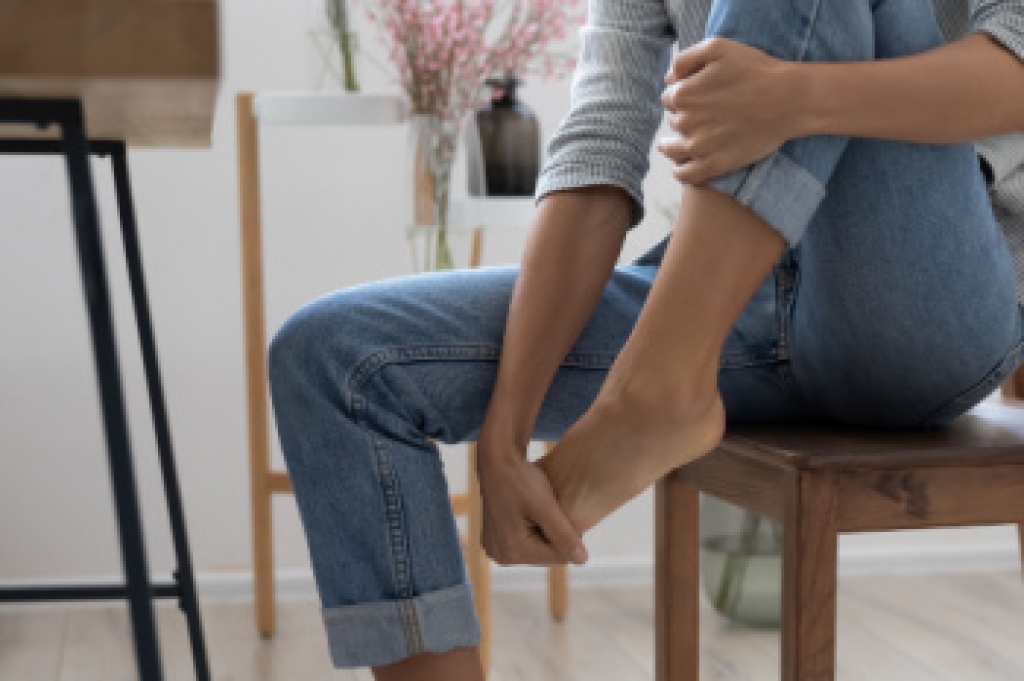
Toe Conditions May Signal Deeper Health Problems

Many people overlook their toes, yet changes in appearance or sensation can reflect health problems. Curved or spooned nails may point toward anemia or thyroid disorders. Meanwhile, burning, tingling, or numbness in the toes can signal nerve damage often associated with diabetes. Dark streaks under a toenail require evaluation to rule out skin cancer. Pale or white nails may be linked to kidney or liver disease, and swollen, painful joints can indicate arthritis or gout. Thickened or yellow nails suggest fungal infection or trauma, and cold or bluish toes may indicate circulation problems. Because the feet contain small blood vessels and nerves, medical conditions may appear there early. A podiatrist evaluates skin, nails, joints, and circulation, orders testing, and recommends medical or surgical care to treat the cause and prevent complications. If your toes change in appearance, it is suggested that you make an appointment with a podiatrist for an exam, diagnosis, and treatment.

Toe pain can disrupt your daily activities. If you have any concerns, contact Dr. Tupper of Coshocton Foot Health Center. Our practitioner can provide the care you need to keep you pain-free and on your feet.

What Causes Toe Pain?

Most severe toe pain is caused due to a sports injury, trauma from dropping something heavy on the toe, or bumping into something rigid. Other problems can develop over time for various reasons.

Toe pain can be caused by one or more ailments. The most common include:

  • Trauma
  • Sports injury
  • Wearing shoes that are too tight
  • Arthritis
  • Gout
  • Corns and calluses
  • Hammertoe
  • Bunions
  • Blisters
  • Ingrown toenails
  • Sprains
  • Fractures (broken bones)
  • Dislocations

When to See a Podiatrist

  • Severe pain
  • Persistent pain that lasts more than a week
  • Signs of infection
  • Continued swelling
  • Pain that prevents walking

Diagnosis

In many cases the cause of toe pain is obvious, but in others, a podiatrist may want to use more advanced methods to determine the problem. These can range from simple visual inspections and sensation tests to X-rays and MRI scans. Prior medical history, family medical history, and any recent physical traumatic events will all be taken into consideration for a proper diagnosis.

Treatment

Treatments for toe pain and injuries vary and may include shoe inserts, padding, taping, medicines, injections, and in some cases, surgery. If you believe that you have broken a toe, please see a podiatrist as soon as possible.

If you have any questions please contact our office located in Coshocton, OH . We offer the newest diagnostic and treatment technologies for all your foot and ankle needs.

Read more about Toe Pain

Yoga Poses That May Help Relieve Plantar Fasciitis

Yoga poses can support flexibility and strength in the feet, and may help ease plantar fasciitis discomfort. Upward salute is performed by standing tall, lifting the arms overhead, and gently stretching through the arches while grounding the heels. Chair pose involves bending the knees while keeping weight evenly distributed through the feet to strengthen the arches and lower legs. High lunge is done by stepping one foot back, pressing the heel down, and stretching the calf and plantar tissues. Additionally, table top toe pose is performed on hands and knees with toes tucked under to stretch the bottom of the feet. A podiatrist can diagnose plantar fasciitis, guide safe movement, and create a comprehensive treatment plan, which may include effective yoga poses. If you have symptoms of plantar fasciitis, it is suggested that you consult a podiatrist who can offer effective relief and treatment techniques. 

Stretching the feet is a great way to prevent injuries. If you have any concerns with your feet consult with Dr. Tupper from Coshocton Foot Health Center. Our practitioner will assess your condition and provide you with quality foot and ankle treatment.

Stretching the Feet

Stretching the muscles in the foot is an important part in any physical activity. Feet that are tight can lead to less flexibility and make you more prone to injury. One of the most common forms of foot pain, plantar fasciitis, can be stretched out to help ease the pain. Stretching can not only ease pain from plantar fasciitis but also prevent it as well. However, it is important to see a podiatrist first if stretching is right for you. Podiatrists can also recommend other ways to stretch your feet. Once you know whether stretching is right for you, here are some excellent stretches you can do.

  • Using a foam roller or any cylindrical object (a water bottle or soda can will do), roll the object under your foot back and forth. You should also exert pressure on the object. Be sure to do this to both feet for a minute. Do this exercise three times each.
  • Similar to the previous one, take a ball, such as a tennis ball, and roll it under your foot while seated and exert pressure on it.
  • Grab a resistance band or towel and take a seat. If you are using a towel, fold it length wise. Next put either one between the ball of your foot and heel and pull with both hands on each side towards you. Hold this for 15 seconds and then switch feet. Do this three times for each foot.
  • Finally hold your big toe while crossing one leg over the other. Pull the toe towards you and hold for 15 seconds. Once again do this three times per foot.

It is best to go easy when first stretching your foot and work your way up. If your foot starts hurting, stop exercising and ice and rest the foot. It is advised to then see a podiatrist for help.

If you have any questions please contact our office located in Coshocton, OH . We offer the newest diagnostic and treatment technologies for all your foot and ankle needs.

Read more about How to Stretch Your Feet

Staying Safe at Work by Preventing Falls

Preventing falls at work begins with choosing the right footwear that offers support, grip, and a secure fit to keep you steady throughout the day. Being aware of surfaces is also important because wet floors, uneven ground, or loose rugs can increase the risk of slipping. Keeping work areas clean and free of clutter helps create a safer environment and reduces hazards that may go unnoticed during a busy day. A podiatrist can evaluate your foot structure, recommend supportive shoes or custom orthotics, and address any pain or balance issues that may increase your risk of falling. If you have sustained a foot or ankle injury from falling, it is suggested that you consult a podiatrist who can treat various foot conditions, and guide you on additional fall prevention tips.

Preventing falls among the elderly is very important. If you are older and have fallen or fear that you are prone to falling, consult with Dr. Tupper from Coshocton Foot Health Center. Our practitioner will assess your condition and provide you with quality advice and care.

Every 11 seconds, an elderly American is being treated in an emergency room for a fall related injury. Falls are the leading cause of head and hip injuries for those 65 and older. Due to decreases in strength, balance, senses, and lack of awareness, elderly persons are very susceptible to falling. Thankfully, there are a number of things older persons can do to prevent falls.

How to Prevent Falls

Some effective methods that older persons can do to prevent falls include:

  • Enrolling in strength and balance exercise program to increase balance and strength
  • Periodically having your sight and hearing checked
  • Discuss any medications you have with a doctor to see if it increases the risk of falling
  • Clearing the house of falling hazards and installing devices like grab bars and railings
  • Utilizing a walker or cane
  • Wearing shoes that provide good support and cushioning
  • Talking to family members about falling and increasing awareness

Falling can be a traumatic and embarrassing experience for elderly persons; this can make them less willing to leave the house, and less willing to talk to someone about their fears of falling. Doing such things, however, will increase the likelihood of tripping or losing one’s balance. Knowing the causes of falling and how to prevent them is the best way to mitigate the risk of serious injury.  

If you have any questions, please feel free to contact our office located in Coshocton, OH . We offer the newest diagnostic and treatment technologies for all your foot care needs.

Read more about Falls Prevention

Plantar Warts Can Be Treated!

Plantar warts are small growths that develop on parts of the feet that bear weight. They're typically found on the bottom of the foot. Don't live with plantar warts, and call us today!

Foot Wounds and Why They Matter

Foot wounds can develop on the surface of the skin or beneath it and they range from minor injuries to serious medical concerns. External wounds affect the outer skin while internal wounds involve deeper tissues, such as muscles, tendons, or bone. Open wounds include cuts, abrasions, punctures, lacerations, and surgical wounds where the skin is broken. Closed wounds, such as bruises or hematomas, cause damage beneath intact skin. Because the feet carry body weight and have limited blood flow in some people healing can be slow. A podiatrist can identify the wound type, check for infection, and guide proper care. Early evaluation helps prevent complications and supports healthy healing and mobility. Prompt treatment is especially important for people with diabetes, circulation problems, or nerve changes that reduce feeling in the feet and balance. If you have any type of foot wound, it is suggested that you see a podiatrist for care.

Wound care is an important part in dealing with diabetes. If you have diabetes and a foot wound or would like more information about wound care for diabetics, consult with Dr. Tupper from Coshocton Foot Health Center. Our practitioner will assess your condition and provide you with quality foot and ankle treatment.

What Is Wound Care?

Wound care is the practice of taking proper care of a wound. This can range from the smallest to the largest of wounds. While everyone can benefit from proper wound care, it is much more important for diabetics. Diabetics often suffer from poor blood circulation which causes wounds to heal much slower than they would in a non-diabetic. 

What Is the Importance of Wound Care?

While it may not seem apparent with small ulcers on the foot, for diabetics, any size ulcer can become infected. Diabetics often also suffer from neuropathy, or nerve loss. This means they might not even feel when they have an ulcer on their foot. If the wound becomes severely infected, amputation may be necessary. Therefore, it is of the upmost importance to properly care for any and all foot wounds.

How to Care for Wounds

The best way to care for foot wounds is to prevent them. For diabetics, this means daily inspections of the feet for any signs of abnormalities or ulcers. It is also recommended to see a podiatrist several times a year for a foot inspection. If you do have an ulcer, run the wound under water to clear dirt from the wound; then apply antibiotic ointment to the wound and cover with a bandage. Bandages should be changed daily and keeping pressure off the wound is smart. It is advised to see a podiatrist, who can keep an eye on it.

If you have any questions please contact our office located in Coshocton, OH . We offer the newest diagnostic and treatment technologies for all your foot and ankle needs.

Read more about Wound Care
scroll to top