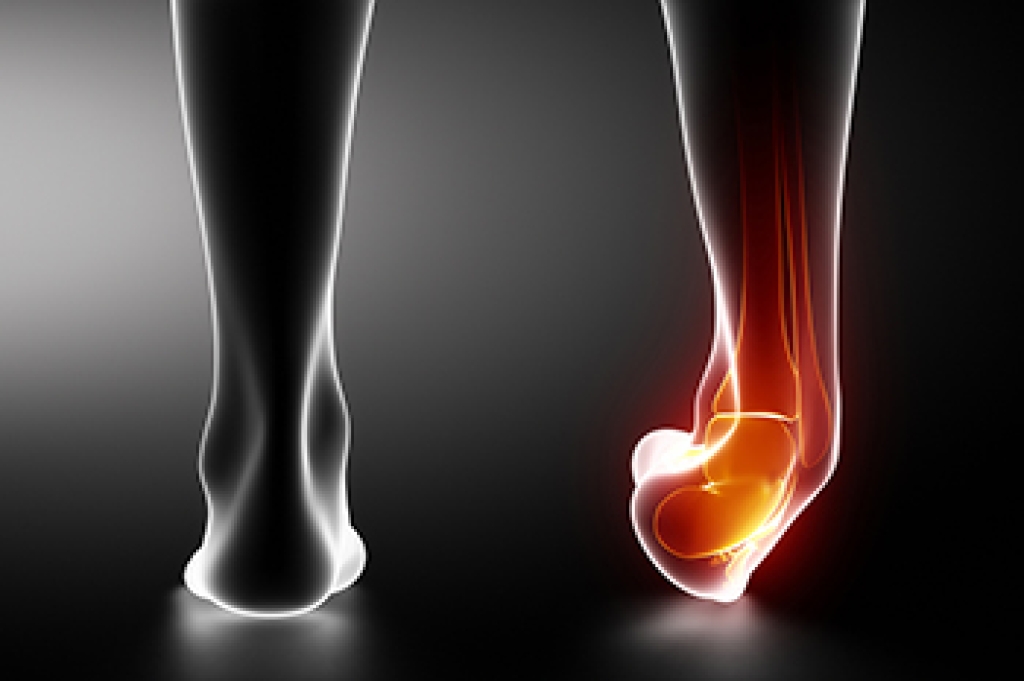
Causes of Recurrent Ankle Sprains

Recurrent ankle sprains occur when the ankle repeatedly twists or rolls. This is often due to weakened ligaments that did not fully heal after a previous injury. This can develop from inadequate rehabilitation, poor balance, or returning to activity too quickly. Symptoms include ongoing pain, swelling, instability, and a frequent feeling that the ankle may give way. Risk factors include participation in sports, uneven surfaces, improper footwear, and reduced strength or coordination. A podiatrist can evaluate ankle stability, assess gait, and recommend treatment. Options include bracing, custom orthotics, and strengthening exercises to restore support and function. Early care is essential to prevent further damage and long-term complications. If you have difficulty with ankle sprains, it is suggested that you consult a podiatrist who can offer effective treatment and rehabilitation tips.

Although ankle sprains are common, they aren’t always minor injuries. If you need your ankle injury looked at, contact Dr. Tupper from Coshocton Foot Health Center. Our practitioner can provide the care you need to keep you pain-free and on your feet.

How Does an Ankle Sprain Occur?

Ankle sprains are the result of a tear in the ligaments within the ankle. These injuries may happen when you make a rapid shifting movement while your foot is planted. A less common way to sprain your ankle is when your ankle rolls inward while your foot turns outward.

What Are the Symptoms?

  • Pain at the sight of the tear
  • Bruising/Swelling
  • Ankle area is tender to touch
  • In severe cases, may hear/feel something tear
  • Skin discoloration

Preventing a Sprain

  • Wearing appropriate shoes for the occasion
  • Stretching before exercises and sports
  • Knowing your limits

Treatment of a Sprain

In many cases, the RICE method (Rest, Ice, Compression, and Elevate) is used to treat ankle sprains. However, you should see a podiatrist to see which treatment option would work best with your injury. In severe cases, surgery may be required.

It is important to ask your doctor about rehab options after you receive treatment for your injury. Stretching, strength training, and balance exercises may help the ankle heal while also preventing further injury.

If you have any questions, please feel free to contact our office located in Coshocton, OH . We offer the newest diagnostic and treatment technologies for all your foot care needs.

Read more about Three Grades of Ankle Sprains

When the Ball of the Foot Becomes Painful

Pain in the ball of the foot, also known as metatarsalgia, causes discomfort beneath the toes where weight is concentrated while walking. The pain may feel sharp, burning, or like stepping on a small object, and it often worsens with activity or prolonged standing. Some patients notice swelling, callus formation, or increased sensitivity in the area. Causes include high-impact activities, improper footwear, high heels, foot shape, or conditions such as nerve irritation or stress on the metatarsal bones. The area may look normal or slightly inflamed but often feels tender to pressure. A podiatrist can assess foot structure, gait, and pressure points to determine the source of pain and may use imaging if needed. Treatment typically includes supportive footwear, cushioning, custom orthotics, and targeted exercises to relieve pressure. If you have pain in the ball of your foot, it is suggested that you make an appointment with a podiatrist.

Foot Pain

Foot pain can be extremely painful and debilitating. If you have a foot pain, consult with Dr. Tupper from Coshocton Foot Health Center. Our practitioner will assess your condition and provide you with quality foot and ankle treatment.

Causes

Foot pain is a very broad condition that could be caused by one or more ailments. The most common include:

  • Bunions
  • Hammertoes
  • Plantar Fasciitis
  • Bone Spurs
  • Corns
  • Tarsal Tunnel Syndrome
  • Ingrown Toenails
  • Arthritis (such as Gout, Rheumatoid, and Osteoarthritis)
  • Flat Feet
  • Injury (from stress fractures, broken toe, foot, ankle, Achilles tendon ruptures, and sprains)
  • And more

Diagnosis

To figure out the cause of foot pain, podiatrists utilize several different methods. This can range from simple visual inspections and sensation tests to X-rays and MRI scans. Prior medical history, family medical history, and any recent physical traumatic events will all be taken into consideration for a proper diagnosis.

Treatment

Treatment depends upon the cause of the foot pain. Whether it is resting, staying off the foot, or having surgery; podiatrists have a number of treatment options available for foot pain.

If you have any questions, please feel free to contact our office located in Coshocton, OH . We offer the newest diagnostic and treatment technologies for all your foot care needs.

Read more about Foot Pain

Poor Circulation and Its Impact on Foot Health

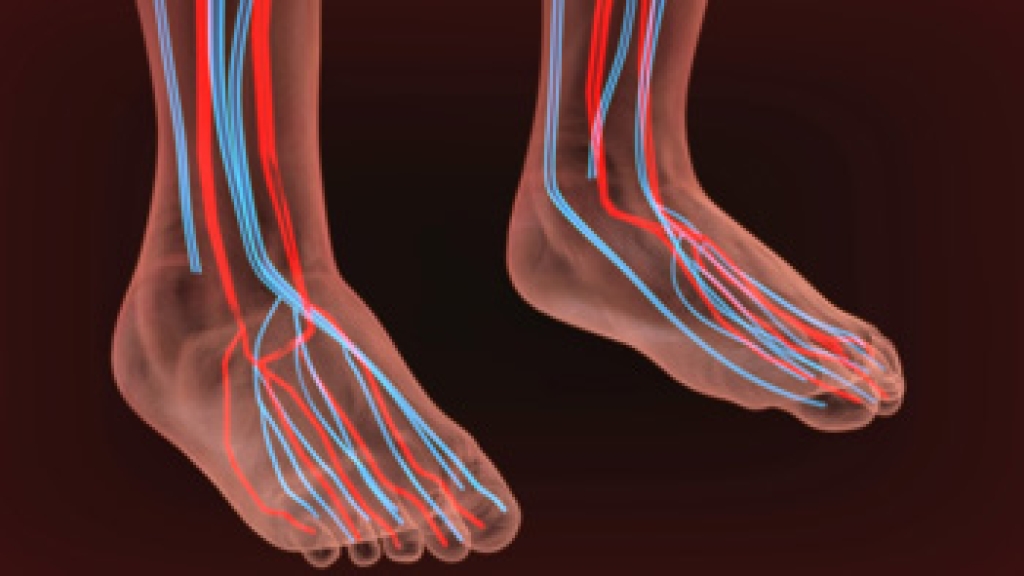
Poor circulation refers to reduced blood flow to certain areas of the body, often affecting the feet and legs. It can be caused by diabetes, peripheral artery disease, and varicose veins, which interfere with healthy blood movement. Symptoms include muscle cramps, pain, and cold hands or feet, along with slow healing of minor wounds. Risk factors include smoking, inactivity, obesity, and aging. Without proper care, circulation problems can increase the risk of serious foot complications. A podiatrist can assess blood flow, identify early warning signs, and recommend treatment to improve circulation and protect foot health. If you have symptoms of poor circulation in your feet, it is suggested that you consult a podiatrist who can offer effective relief and treatment remedies.

While poor circulation itself isn’t a condition; it is a symptom of another underlying health condition you may have. If you have any concerns with poor circulation in your feet contact Dr. Tupper of Coshocton Foot Health Center. Our practitioner will treat your foot and ankle needs.

Poor Circulation in the Feet

Peripheral artery disease (PAD) can potentially lead to poor circulation in the lower extremities. PAD is a condition that causes the blood vessels and arteries to narrow. In a linked condition called atherosclerosis, the arteries stiffen up due to a buildup of plaque in the arteries and blood vessels. These two conditions can cause a decrease in the amount of blood that flows to your extremities, therefore resulting in pain.

Symptoms

Some of the most common symptoms of poor circulation are:

  • Numbness
  • Tingling
  • Throbbing or stinging pain in limbs
  • Pain
  • Muscle Cramps

Treatment for poor circulation often depends on the underlying condition that causes it. Methods for treatment may include insulin for diabetes, special exercise programs, surgery for varicose veins, or compression socks for swollen legs.

As always, see a podiatrist as he or she will assist in finding a regimen that suits you. A podiatrist can also prescribe you any needed medication. 

If you have any questions, please feel free to contact our office located in Coshocton, OH . We offer the newest diagnostic and treatment technologies for all your foot care needs.

Read more about Causes Symptoms and Treatment for Poor Circulation in the Feet

Reminder: When Was the Last Time...?

Custom orthotics, or shoe inserts, should be periodically replaced. Orthotics must fit properly to give you the best results. Protect your feet and ankles!

What Matters Most During Foot and Ankle Surgery

Foot and ankle surgery requires careful preparation, attention to detail, and clear communication between the patient and podiatrist. Before the procedure begins, both groups place high importance on understanding the plan, confirming the correct surgical location, and completing safety checks to prevent errors. These steps help create a safe and organized environment in the operating room. During the procedure, podiatrists focus on precise handling of tissues and the most essential technical parts of the operation. These critical steps are key to restoring movement and protecting surrounding structures. Patients often place greater importance on visible parts of the procedure, such as when the surgery begins and ends, while podiatrists concentrate more on the deeper and complex aspects. If you are anticipating foot or ankle surgery, it is suggested that you schedule an appointment with a podiatrist to ask questions before surgery, enabling you to feel confident and support a smoother recovery process.

Foot surgery is sometimes necessary to treat a foot ailment. To learn more, contact Dr. Tupper of Coshocton Foot Health Center. Our practitioner will assist you with all of your foot and ankle needs.

When Is Surgery Necessary?

Foot and ankle surgery is generally reserved for cases in which less invasive, conservative procedures have failed to alleviate the problem. Some of the cases in which surgery may be necessary include:

  • Removing foot deformities like bunions and bone spurs
  • Severe arthritis that has caused bone issues
  • Cosmetic reconstruction

What Types of Surgery Are There?

The type of surgery you receive will depend on the nature of the problem you have. Some of the possible surgeries include:

  • Bunionectomy for painful bunions
  • Surgical fusion for realignment of bones
  • Neuropathy decompression surgery to treat nerve damage

Benefits of Surgery

Although surgery is usually a last resort, it can provide more complete pain relief compared to non-surgical methods and may allow you to finally resume full activity.

Surgical techniques have also become increasingly sophisticated. Techniques like endoscopic surgery allow for smaller incisions and faster recovery times.

If you have any questions, please feel free to contact our office located in Coshocton, OH . We offer the newest diagnostic and treatment technologies for all your foot care needs.

Read more about Foot Surgery
scroll to top