Items filtered by date: November 2020
The Difference Between Corns and Calluses
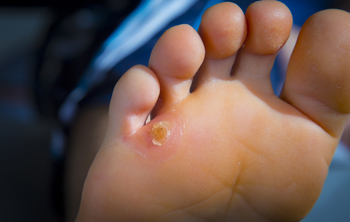 Corns and calluses occur due to friction or pressure on the feet. While calluses are usually asymptomatic and cover a broader area of skin, corns are deeper, more focused and more painful. Corns are usually pea-sized, have a plug, and extend deep into the surface of the skin. Calluses tend to stay closer to the surface, without a plug. Treatment options for both include manual removal, cushioning the affected area, and adjusting biomechanics, such as changing your shoes. Patients who frequently have issues with corns and calluses should consult with a podiatrist for proper preventative measures and various treatment options.
Corns can make walking very painful and should be treated immediately. If you have questions regarding your feet and ankles, contact Dr. Tupper of Coshocton Foot Health Center. Our doctor will treat your foot and ankle needs.
Corns: What Are They? And How Do You Get Rid of Them?
Corns are thickened areas on the skin that can become painful. They are caused by excessive pressure and friction on the skin. Corns press into the deeper layers of the skin and are usually round in shape.
Ways to Prevent Corns
There are many ways to get rid of painful corns such as:
- Wearing properly fitting shoes that have been measured by a professional
- Wearing shoes that are not sharply pointed or have high heels
- Wearing only shoes that offer support
Treating Corns
Although most corns slowly disappear when the friction or pressure stops, this isn’t always the case. Consult with your podiatrist to determine the best treatment option for your case of corns.
If you have any questions please feel free to contact our office located in Coshocton, OH . We offer the newest diagnostic and treatment technologies for all your foot and ankle needs.
Reminder: When Was the Last Time...?

Custom orthotics, or shoe inserts, should be periodically replaced. Orthotics must fit properly to give you the best results. Protect your feet and ankles!
Can Gout Cause Difficulty Walking?
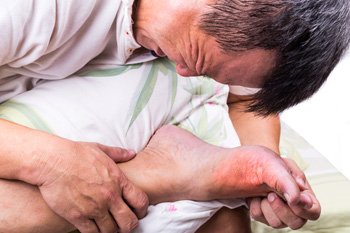 The toe that is most often affected by gout is the big toe. Crystals can form in the joints of the toes, causing severe pain and difficulty walking. There are specific triggers that are known to cause gout. These can include eating foods such as red meat and shellfish, and drinking beverages that have a high sugar content. Additionally, genetic factors may contribute significantly in the development of gout. The symptoms that are associated with gout is tenderness surrounding the affected joint, redness, and stiffness. An effective method that may help to prevent gout can be including fresh fruits and vegetables in your daily eating habits, in addition to drinking plenty of fresh water. If you are afflicted with frequent gout attacks, it is suggested that you seek the care of a podiatrist.
Gout is a painful condition that can be treated. If you are seeking treatment, contact Dr. Tupper from Coshocton Foot Health Center. Our doctor will treat your foot and ankle needs.
What Is Gout?
Gout is a form of arthritis that is characterized by sudden, severe attacks of pain, redness, and tenderness in the joints. The condition usually affects the joint at the base of the big toe. A gout attack can occur at any random time, such as the middle of the night while you are asleep.
Symptoms
- Intense Joint Pain - Usually around the large joint of your big toe, and it most severe within the first four to twelve hours
- Lingering Discomfort - Joint discomfort may last from a few days to a few weeks
- Inflammation and Redness -Affected joints may become swollen, tender, warm and red
- Limited Range of Motion - May experience a decrease in joint mobility
Risk Factors
- Genetics - If family members have gout, you’re more likely to have it
- Medications - Diuretic medications can raise uric acid levels
- Gender/Age - Gout is more common in men until the age of 60. It is believed that estrogen protects women until that point
- Diet - Eating red meat and shellfish increases your risk
- Alcohol - Having more than two alcoholic drinks per day increases your risk
- Obesity - Obese people are at a higher risk for gout
Prior to visiting your podiatrist to receive treatment for gout, there are a few things you should do beforehand. If you have gout you should write down your symptoms--including when they started and how often you experience them, important medical information you may have, and any questions you may have. Writing down these three things will help your podiatrist in assessing your specific situation so that he or she may provide the best route of treatment for you.
If you have any questions, please feel free to contact our office located in Coshocton, OH . We offer the newest diagnostic and treatment technologies for all your foot care needs.
What Are the Causes of Ingrown Toenails?
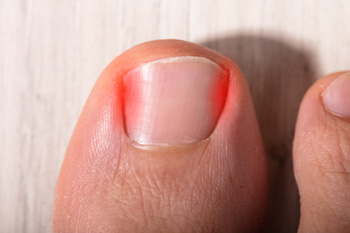 The medical condition that is referred to as an ingrown toenail can be accompanied by redness, swelling, and pain. It is an ailment that often affects the big toe, and occurs when the nail grows into the outer edge of the skin. Common reasons why this condition can occur include wearing shoes that do not have adequate room for the toes to move freely in or from a toe injury. Additionally, repeated activities that involve kicking a ball may cause ingrown toenails to develop. Relief may be found when the affected toe is soaked in warm water, followed by placing a small piece of cotton between the nail and the skin. If your ingrown toenail has become infected, it is strongly recommended that you seek the counsel of a podiatrist who can properly treat this condition.
Ingrown toenails can become painful if they are not treated properly. For more information about ingrown toenails, contact Dr. Tupper of Coshocton Foot Health Center. Our doctor can provide the care you need to keep you pain-free and on your feet.
Ingrown Toenails
Ingrown toenails occur when a toenail grows sideways into the bed of the nail, causing pain, swelling, and possibly infection.
Causes
- Bacterial infections
- Improper nail cutting such as cutting it too short or not straight across
- Trauma to the toe, such as stubbing, which causes the nail to grow back irregularly
- Ill-fitting shoes that bunch the toes too close together
- Genetic predisposition
Prevention
Because ingrown toenails are not something found outside of shoe-wearing cultures, going barefoot as often as possible will decrease the likeliness of developing ingrown toenails. Wearing proper fitting shoes and using proper cutting techniques will also help decrease your risk of developing ingrown toenails.
Treatment
Ingrown toenails are a very treatable foot condition. In minor cases, soaking the affected area in salt or antibacterial soaps will not only help with the ingrown nail itself, but also help prevent any infections from occurring. In more severe cases, surgery is an option. In either case, speaking to your podiatrist about this condition will help you get a better understanding of specific treatment options that are right for you.
If you have any questions please feel free to contact our office located in Coshocton, OH . We offer the newest diagnostic and treatment technologies for all your foot and ankle needs.
Stretches May Help Heel Spurs
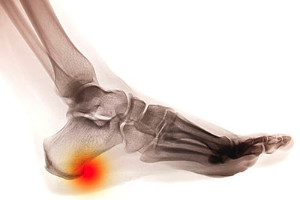 A small growth in the heel bone is often referred to as a heel spur. These are bony protrusions that may cause severe pain and discomfort, and can be associated with foot conditions such as plantar fasciitis and Achilles tendon injuries. Some patients find it beneficial to perform specific stretches and exercises that may diminish a portion of the discomfort. An effective stretch consists of raising up on the toes while placing a tennis ball between the ankles, and gently squeezing. Additionally, it may help to roll a tennis ball on the sole of the foot while seated. Mild relief may be found when correct shoes are worn, and it is suggested to refrain from wearing high heels or flip flops. If you have heel pain, it is suggested that you consult with a podiatrist who can properly diagnose and treat heel spurs.
Heel spurs can be incredibly painful and sometimes may make you unable to participate in physical activities. To get medical care for your heel spurs, contact Dr. Tupper from Coshocton Foot Health Center. Our doctor will do everything possible to treat your condition.
Heels Spurs
Heel spurs are formed by calcium deposits on the back of the foot where the heel is. This can also be caused by small fragments of bone breaking off one section of the foot, attaching onto the back of the foot. Heel spurs can also be bone growth on the back of the foot and may grow in the direction of the arch of the foot.
Older individuals usually suffer from heel spurs and pain sometimes intensifies with age. One of the main condition's spurs are related to is plantar fasciitis.
Pain
The pain associated with spurs is often because of weight placed on the feet. When someone is walking, their entire weight is concentrated on the feet. Bone spurs then have the tendency to affect other bones and tissues around the foot. As the pain continues, the feet will become tender and sensitive over time.
Treatments
There are many ways to treat heel spurs. If one is suffering from heel spurs in conjunction with pain, there are several methods for healing. Medication, surgery, and herbal care are some options.
If you have any questions feel free to contact our office located in Coshocton, OH . We offer the latest in diagnostic and treatment technology to meet your needs.
What Is an Inversion Sprain?
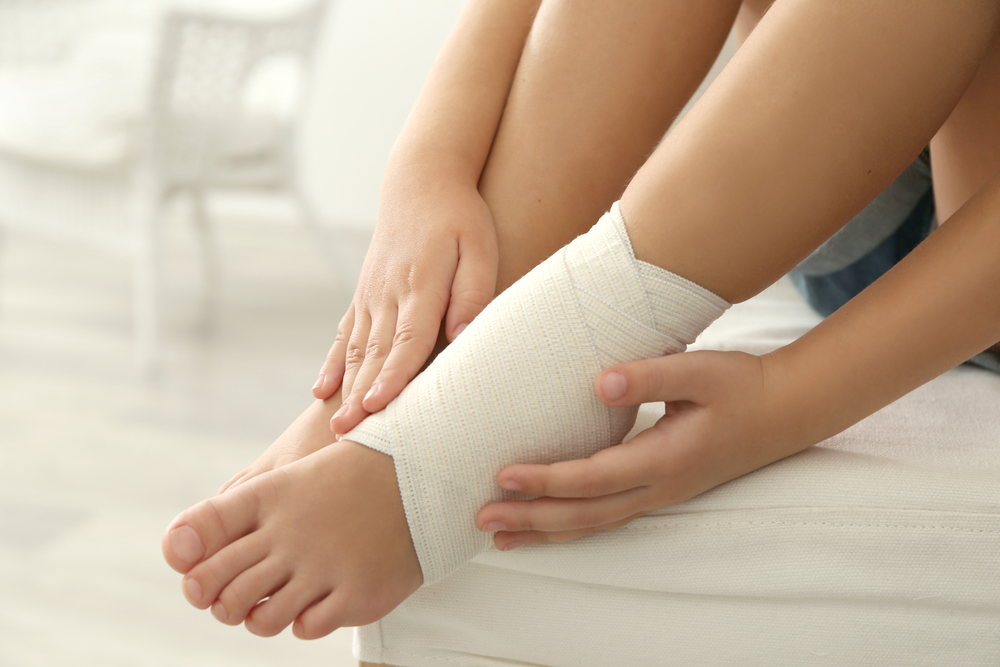 A common form of an ankle sprain is referred to as an inversion sprain. It can happen when the ankle abnormally turns in or out. This affects the lateral ligaments which are located on the outside of the ankle. Lateral ligaments are bands that help the joints to remain stable, and ankle sprains can result when these ligaments are overstretched. This type of injury can happen from suddenly stepping off a curb, wearing shoes that do not fit correctly, or from walking on uneven surfaces. Effective treatment methods can consist of wearing a protective boot or brace, and performing specific stretches that may accelerate the healing process. If you have sprained your ankle, it is strongly recommended that you seek the counsel of a podiatrist who can guide you toward appropriate treatment options.
Although ankle sprains are common, they aren’t always minor injuries. If you need your ankle injury looked at, contact Dr. Tupper from Coshocton Foot Health Center. Our doctor can provide the care you need to keep you pain-free and on your feet.
How Does an Ankle Sprain Occur?
Ankle sprains are the result of a tear in the ligaments within the ankle. These injuries may happen when you make a rapid shifting movement while your foot is planted. A less common way to sprain your ankle is when your ankle rolls inward while your foot turns outward.
What Are the Symptoms?
- Pain at the sight of the tear
- Bruising/Swelling
- Ankle area is tender to touch
- In severe cases, may hear/feel something tear
- Skin discoloration
Preventing a Sprain
- Wearing appropriate shoes for the occasion
- Stretching before exercises and sports
- Knowing your limits
Treatment of a Sprain
In many cases, the RICE method (Rest, Ice, Compression, and Elevate) is used to treat ankle sprains. However, you should see a podiatrist to see which treatment option would work best with your injury. In severe cases, surgery may be required.
It is important to ask your doctor about rehab options after you receive treatment for your injury. Stretching, strength training, and balance exercises may help the ankle heal while also preventing further injury.
If you have any questions, please feel free to contact our office located in Coshocton, OH . We offer the newest diagnostic and treatment technologies for all your foot care needs.