Items filtered by date: October 2023
Causes and Treatment for Foot Drop
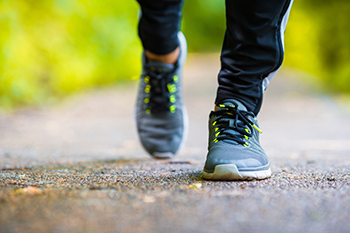
Foot drop, a condition that affects one foot and impedes the ability to walk normally, can stem from various causes. Most commonly, foot drop results from peroneal nerve injury, often linked to sports injuries or surgical incidents, like hip or knee replacements. Spinal problems, such as slipped discs, may also compress the peroneal nerve, as can prolonged leg crossing, kneeling, or squatting. Peripheral neuropathy from diabetes can damage nerves and weaken muscles, potentially leading to foot drop. Extended immobility, such as hospital stays, can cause muscle weakness, including those governing foot movement. The main symptom of foot drop is a marching gait that requires a higher lifting of the knee with each step to allow the toe to clear the ground. Addressing foot drop can involve customized exercise regimens to strengthen and stretch leg and foot muscles. Devices, including braces, splints, or shoe inserts may help to promote foot stability and reduce fall risks. Electrical nerve stimulation aids nerve activation, which may be beneficial for stroke or multiple sclerosis patients. Surgery may be considered in cases of permanent foot drop, involving joint fusion for stability or nerve repair and grafting to restore function. For a clear idea of how to manage foot drop, it is suggested that you make an appointment with a podiatrist.
If you have any concerns about your feet, contact Dr. Tupper from Coshocton Foot Health Center. Our doctor can provide the care you need to keep you pain-free and on your feet.
Biomechanics in Podiatry
Podiatric biomechanics is a particular sector of specialty podiatry with licensed practitioners who are trained to diagnose and treat conditions affecting the foot, ankle and lower leg. Biomechanics deals with the forces that act against the body, causing an interference with the biological structures. It focuses on the movement of the ankle, the foot and the forces that interact with them.
A History of Biomechanics
- Biomechanics dates back to the BC era in Egypt where evidence of professional foot care has been recorded.
- In 1974, biomechanics gained a higher profile from the studies of Merton Root, who claimed that by changing or controlling the forces between the ankle and the foot, corrections or conditions could be implemented to gain strength and coordination in the area.
Modern technological improvements are based on past theories and therapeutic processes that provide a better understanding of podiatric concepts for biomechanics. Computers can provide accurate information about the forces and patterns of the feet and lower legs.
Understanding biomechanics of the feet can help improve and eliminate pain, stopping further stress to the foot.
If you have any questions please feel free to contact our office located in Coshocton, OH . We offer the newest diagnostic and treatment technologies for all your foot and ankle needs.
Navigating Foot Pain and Discomfort From Morton’s Neuroma
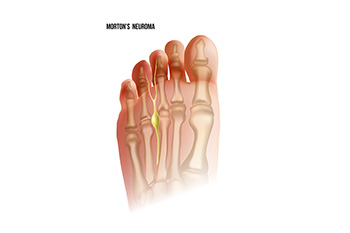
Morton's neuroma, a common and painful foot condition, affects the nerves in the ball of the foot, typically between the third and fourth toes. This ailment involves a thickening of the tissue around the nerve, causing sharp, burning pain, or a sensation that is similar to standing on a pebble or marble. It predominantly affects middle-aged women, but anyone can be susceptible. The exact cause is often associated with wearing tight or high-heeled shoes, which can compress the toes and aggravate the nerve. Other potential factors can include foot deformities or repetitive stress on the forefoot. The symptoms of Morton's neuroma can disrupt daily activities and diminish the quality of life. Treatments may range from changing footwear and utilizing orthotics to corticosteroid injections or, in severe cases, surgical removal of the affected nerve. If you have pain in this part of your foot, it is suggested that you seek professional advice from a podiatrist who can provide timely treatment that can manage the condition, alleviate pain, and restore comfort in your daily stride.
Morton’s neuroma is a very uncomfortable condition to live with. If you think you have Morton’s neuroma, contact Dr. Tupper of Coshocton Foot Health Center. Our doctor will attend to all of your foot care needs and answer any of your related questions.
Morton’s Neuroma
Morton's neuroma is a painful foot condition that commonly affects the areas between the second and third or third and fourth toe, although other areas of the foot are also susceptible. Morton’s neuroma is caused by an inflamed nerve in the foot that is being squeezed and aggravated by surrounding bones.
What Increases the Chances of Having Morton’s Neuroma?
- Ill-fitting high heels or shoes that add pressure to the toe or foot
- Jogging, running or any sport that involves constant impact to the foot
- Flat feet, bunions, and any other foot deformities
Morton’s neuroma is a very treatable condition. Orthotics and shoe inserts can often be used to alleviate the pain on the forefront of the feet. In more severe cases, corticosteroids can also be prescribed. In order to figure out the best treatment for your neuroma, it’s recommended to seek the care of a podiatrist who can diagnose your condition and provide different treatment options.
If you have any questions, please feel free to contact our office located in Coshocton, OH . We offer the newest diagnostic and treatment technologies for all your foot care needs.
Causes of Swollen Ankles and Feet
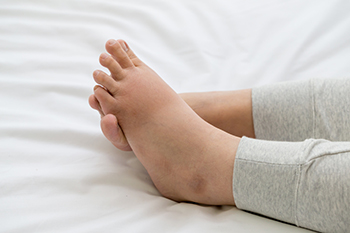
Swollen ankles and feet can be a perplexing and uncomfortable issue, often signaling an underlying problem. Several factors can contribute to this condition. One common cause is fluid retention, which can result from sitting or standing for extended periods, high salt intake, or hormonal changes. Additionally, injuries like sprains or strains can lead to localized swelling. Medical conditions, such as heart disease, kidney disease, or venous insufficiency, may also contribute to swollen ankles and feet due to impaired circulation or fluid buildup. Infections, inflammation, or certain medications can play a role as well. Lastly, pregnancy can lead to increased fluid retention and pressure on blood vessels, causing swelling in the lower extremities. Understanding these potential causes is essential for effective management and relief from swollen ankles and feet. If your feet and ankles have become swollen, it is suggested that you visit a podiatrist who can determine what the cause and offer effective relief remedies.
Swollen feet can be a sign of an underlying condition. If you have any concerns, contact Dr. Tupper of Coshocton Foot Health Center. Our doctor can provide the care you need to keep you pain-free and on your feet.
Swollen feet are a common ailment among pregnant women and people who stand or sit for extended periods. Aging may increase the possibility of swollen feet and patients who are obese often notice when their feet are swelling too. There may be medical reasons why swollen feet occur:
- Phlebitis - A condition that causes the veins to become inflamed and can also cause leg pain.
- Liver disease - This may lead to low blood levels of albumin which is a protein. This can cause fluid in the blood to pass into the tissues and several areas of the body can become swollen.
- Heart failure - When the heart doesn’t pump properly the blood that is normally pumped back to the heart can pool in the veins of the legs causing swollen feet.
- Kidney disease - One of the main functions of the kidneys is releasing excess fluid in the body. This type of condition can make it difficult for the kidneys to function properly, and as a result the feet may become swollen.
- Deep-vein thrombosis (DVT)- This is a serious condition where blood clots form in the veins of the legs. They can block the return of blood from the legs to the heart which may cause the feet to swell. It is important to be treated by a podiatrist if this condition is present.
Swollen feet can also be caused by bone and tendon conditions, including fractures, arthritis, and tendinitis. Additionally, there may be skin and toenail conditions and an infection may cause the feet to swell. Patients who take medicine to treat high blood pressure may be prone to getting swollen feet.
Many patients elevate their feet to help relieve the swelling and this is generally a temporary remedy. When a podiatrist is consulted the reason behind the swelling can be uncovered and subsequently treated.
If you have any questions please feel free to contact our office located in Coshocton, OH . We offer the newest diagnostic tools and technology to treat your foot and ankle needs.
It's Time for Beautiful Feet

You don't need an excuse to have beautiful nails. Step outside without worrying about the appearance of your feet.
Finding the Perfect Hiking Boots

Selecting the right hiking boots is a big decision for any outdoor enthusiast. These boots can make or break your hiking experience, impacting your comfort, support, and overall safety on the trail. This can begin by considering the terrain you plan to hike. Different types of hikes, whether on rocky trails, muddy paths, or steep ascents, require specific features in your boots. Choose a boot with appropriate sole traction, ankle support, and water resistance that matches your hiking environment. This can be followed by focusing on fit. Ensuring your hiking boots fit snugly, but leaving enough room for your toes to wiggle comfortably. Try on boots in the late afternoon when your feet are slightly swollen to mimic conditions on the trail. It is beneficial to break in your boots before embarking on a long hike. Wear them around your home or on shorter walks to allow them to mold to your feet and prevent painful blisters. Lastly, consider your personal preferences. Some hikers prefer lightweight and flexible boots, while others prioritize durability and sturdiness. If you would like more information about what type of hiking boots to buy, it is suggested that you confer with a podiatrist who can provide you with the knowledge you are seeking.
Finding a properly-fitting shoe is important in reducing injuries and preventing foot problems. For more information about treatment, contact Dr. Tupper from Coshocton Foot Health Center. Our doctor will treat your foot and ankle needs.
Proper Shoe Fitting
A common concern when it comes to foot health, having properly fitted shoes can help prevent injuries to the foot. Out feet affect our posture and gait, which in turn affects the biomechanics and overall bodily structure. With 33 joints, 26 bones, and over 100 ligaments, the potential for serious injury is much greater than one realizes. Although the feet cease growth in adulthood, they still change shape as they mature. Here are some factors to consider when it comes to investing in proper fitting shoes:
- Be sure the shoes fit correctly right away
- Ensure the ball of your foot fits comfortably in the widest portion of the shoes
- Even though they may look fashionable, improper fitting shoes can either create adverse conditions or exacerbate existing ones you may already have
- Walk along a carpeted surface to ensure the shoes comfortably fit during normal activity
Keeping in mind how shoes fit the biomechanics of your body, properly-fitting shoes are vitally important. Fortunately, it is not difficult to acquire footwear that fits correctly. Be sure to wear shoes that support the overall structure of your body. Do your feet a favor and invest in several pairs of well-fitted shoes today.
If you have any questions please feel free to contact our office located in Coshocton, OH . We offer the newest diagnostic and treatment technologies for all your foot and ankle needs.
Foot Exercises for Arthritis Pain Relief
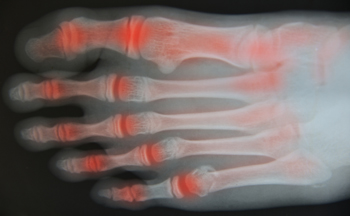
Arthritis is a common condition characterized by joint inflammation and can significantly impact the feet, leading to stiffness and pain. Incorporating specific foot exercises into your daily routine can help alleviate arthritis-related discomfort and improve mobility. One effective exercise is ankle circles, where you gently rotate your ankles clockwise and counter-clockwise. This helps maintain joint flexibility and reduces stiffness. Toe stretches are also beneficial. Gradually stretch your toes apart, then squeeze them together. This exercise can alleviate tension and improve toe dexterity. Rolling a tennis ball or a frozen water bottle under your foot can provide a soothing massage and help relieve tension in the arches and heels. Additionally, toe taps involve tapping your toes rapidly while seated. This exercise improves blood circulation, which can reduce pain and inflammation. Calf stretches can alleviate tension in the Achilles tendon and calf muscles. These are done by standing facing a wall, while placing your hands on it, and stepping one foot back, keeping it straight while bending the front knee. Switching sides can be done after holding for several seconds. Incorporating these exercises into your daily routine can promote foot health and provide relief from arthritis-related pain. If you suffer from foot arthritis, it is strongly suggested that you consult with a podiatrist who can ensure the exercises you are doing are safe and tailored to your needs.
Arthritis can be a difficult condition to live with. If you are seeking treatment, contact Dr. Tupper from Coshocton Foot Health Center. Our doctor can provide the care you need to keep you pain-free and on your feet.
Arthritic Foot Care
Arthritis is a term that is commonly used to describe joint pain. The condition itself can occur to anyone of any age, race, or gender, and there are over 100 types of it. Nevertheless, arthritis is more commonly found in women compared to men, and it is also more prevalent in those who are overweight. The causes of arthritis vary depending on which type of arthritis you have. Osteoarthritis for example, is often caused by injury, while rheumatoid arthritis is caused by a misdirected immune system.
Symptoms
- Swelling
- Pain
- Stiffness
- Decreased Range of Motion
Arthritic symptoms range in severity, and they may come and go. Some symptoms stay the same for several years but could potentially get worse with time. Severe cases of arthritis can prevent its sufferers from performing daily activities and make walking difficult.
Risk Factors
- Occupation – Occupations requiring repetitive knee movements have been linked to osteoarthritis
- Obesity – Excess weight can contribute to osteoarthritis development
- Infection – Microbial agents can infect the joints and trigger arthritis
- Joint Injuries – Damage to joints may lead to osteoarthritis
- Age – Risk increases with age
- Gender –Most types are more common in women
- Genetics – Arthritis can be hereditary
If you suspect your arthritis is affecting your feet, it is crucial that you see a podiatrist immediately. Your doctor will be able to address your specific case and help you decide which treatment method is best for you.
If you have any questions, please feel free to contact our office located in Coshocton, OH . We offer the newest diagnostic and treatment technologies for all your foot care needs.