Items filtered by date: September 2020
Treating Athlete’s Foot
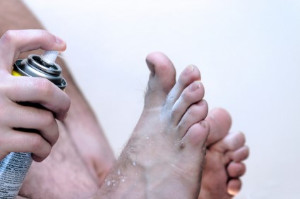 A common fungal skin infection is known as athlete’s foot. Athlete’s foot is contagious, and can be spread by not wearing the proper footwear in places where fungus thrives, such as swimming pools and communal showers. Scaly, itchy rashes between the toes are often a key indicator that you have developed this uncomfortable condition. To help relieve this discomfort, over the counter powders, sprays, ointments, and lotions may be beneficial for your case. Using hydrogen peroxide can also be useful in killing the fungus on the surface of the skin. Making sure your feet are clean and dry is another great first step in preventing the infection from worsening. For a proper diagnosis and advice on which treatment may be best for you, please speak with a podiatrist.
Athlete’s foot is an inconvenient condition that can be easily reduced with the proper treatment. If you have any concerns about your feet and ankles, contact Dr. Tupper from Coshocton Foot Health Center. Our doctor will treat your foot and ankle needs.
Athlete’s Foot: The Sole Story
Athlete's foot, also known as tinea pedis, can be an extremely contagious foot infection. It is commonly contracted in public changing areas and bathrooms, dormitory style living quarters, around locker rooms and public swimming pools, or anywhere your feet often come into contact with other people.
Solutions to Combat Athlete’s Foot
- Hydrate your feet by using lotion
- Exfoliate
- Buff off nails
- Use of anti-fungal products
- Examine your feet and visit your doctor if any suspicious blisters or cuts develop
Athlete’s foot can cause many irritating symptoms such as dry and flaking skin, itching, and redness. Some more severe symptoms can include bleeding and cracked skin, intense itching and burning, and even pain when walking. In the worst cases, Athlete’s foot can cause blistering as well. Speak to your podiatrist for a better understanding of the different causes of Athlete’s foot, as well as help in determining which treatment options are best for you.
If you have any questions please feel free to contact our office located in Coshocton, OH . We offer the newest diagnostic and treatment technologies for all your foot and ankle needs.
Do Your Child's Feet Hurt?

Have your child's feet been examined lately? Healthy feet are happy feet. If your child is complaining of foot pain, it may be a sign of underlying problems.
Common Risk Factors of Cuboid Syndrome
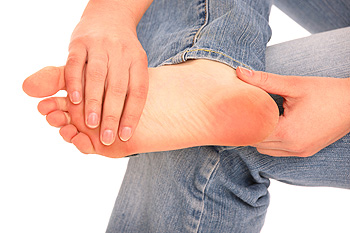 When the joints or ligaments surrounding the cuboid bone in your foot are injured or torn, it’s possible you may develop cuboid syndrome. Certain forms of arthritis may increase your chances of getting cuboid syndrome, such as osteoarthritis and gout. Common risk factors for this condition may include obesity, wearing footwear that is too tight or lacks support, not stretching before working out, partaking in physical activity on uneven surfaces, and a lack of rest between physical activities. Pain on the lateral side of your foot is a common indicator of cuboid syndrome, along with tenderness and redness towards that area. If you believe you have developed cuboid syndrome, please consult with a podiatrist for advice on treatment options.
Cuboid syndrome, also known as cuboid subluxation, occurs when the joints and ligaments near the cuboid bone in the foot become torn. If you have cuboid syndrome, consult with Dr. Tupper from Coshocton Foot Health Center. Our doctor will assess your condition and provide you with quality foot and ankle treatment.
Cuboid syndrome is a common cause of lateral foot pain, which is pain on the outside of the foot. The condition may happen suddenly due to an ankle sprain, or it may develop slowly overtime from repetitive tension through the bone and surrounding structures.
Causes
The most common causes of cuboid syndrome include:
- Injury – The most common cause of this ailment is an ankle sprain.
- Repetitive Strain – Tension placed through the peroneus longus muscle from repetitive activities such as jumping and running may cause excessive traction on the bone causing it to sublux.
- Altered Foot Biomechanics – Most people suffering from cuboid subluxation have flat feet.
Symptoms
A common symptom of cuboid syndrome is pain along the outside of the foot which can be felt in the ankle and toes. This pain may create walking difficulties and may cause those with the condition to walk with a limp.
Diagnosis
Diagnosis of cuboid syndrome is often difficult, and it is often misdiagnosed. X-rays, MRIs and CT scans often fail to properly show the cuboid subluxation. Although there isn’t a specific test used to diagnose cuboid syndrome, your podiatrist will usually check if pain is felt while pressing firmly on the cuboid bone of your foot.
Treatment
Just as the range of causes varies widely, so do treatments. Some more common treatments are ice therapy, rest, exercise, taping, and orthotics.
If you have any questions, please feel free to contact our office located in Coshocton, OH . We offer the newest diagnostic and treatment technologies for all your foot care needs.
What to Consider When Buying New Running Shoes
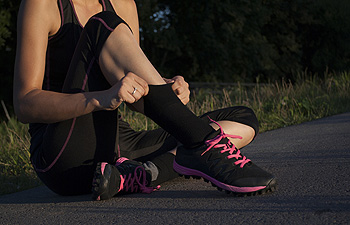 Running is great exercise, but if you are not wearing the right shoes, you may be putting yourself at risk for injuries and pain. Before you run, make sure that you are wearing properly-fitted running shoes specifically designed for this sport. The exact type of running shoes that you buy can depend on several factors. Consider where you are planning to run, and choose shoes that work well on that surface. It is also important to determine the amount of cushioning that you would like under your foot and to know whether or not you need a specific type of shoe to support your gait. For more information on how to pick the best running shoes for you, consult with a podiatrist today.
If you are a runner, wearing the right running shoe is essential. For more information, contact Dr. Tupper from Coshocton Foot Health Center. Our doctor can provide the care you need to keep you pain-free and on your feet.
Choosing the Right Running Shoe for Your Foot Type
To increase performance and avoid the risk of injury, it is important to choose the right running shoe based on your foot type. The general design of running shoes revolves around pronation, which is how the ankle rolls from outside to inside when the foot strikes the ground.
- Neutral runners are able to choose from a wide variety of shoes, including minimalist shoes or even going barefoot.
- Runners who overpronate, or experience an over-abundance of ankle rolling, should choose shoes that provide extra motion control and stability.
- Runners who underpronate, or supinate, have feet that have high arches and lack flexibility, preventing shock absorption. They require shoes with more flexibility and cushion.
If you have any questions please feel free to contact our office located in Coshocton, OH . We offer the newest diagnostic and treatment technologies for all your foot and ankle needs.
Do I Need Hammertoe Surgery?
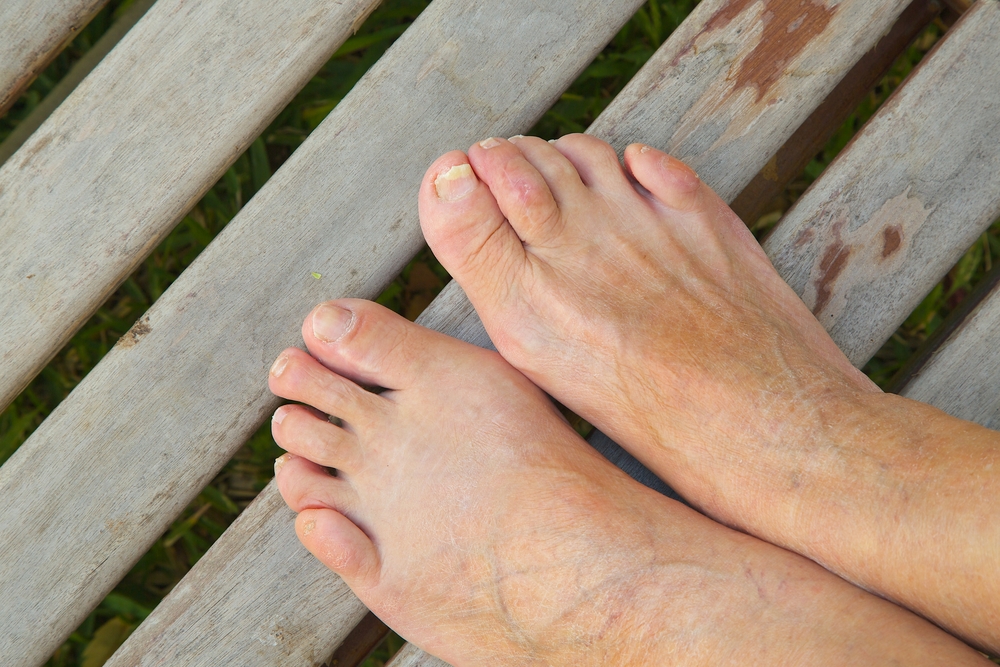 A hammertoe, as its name suggests, is a condition that affects the joints of the toe, causing it to bend in a downward shape, resembling a hammer. To help improve the toe’s flexibility, lessen the pain caused by the hammertoe, and to straighten the affected toe, surgery may be a good option for you. Surgery for a hammertoe will typically be suggested by a professional after conservative treatments, such as splints or orthotics, have failed to improve the condition. To help prepare for surgery, your podiatrist may suggest seeing a physical therapist, keeping weight off of your toe, and practicing certain exercises to help improve your overall balance in order to prepare you for moving around post-surgery. To help decide if surgery is the best treatment option for you, please consult with a podiatrist.
Hammertoe
Hammertoes can be a painful condition to live with. For more information, contact Dr. Tupper from Coshocton Foot Health Center. Our doctor will answer any of your foot- and ankle-related questions.
Hammertoe is a foot deformity that affects the joints of the second, third, fourth, or fifth toes of your feet. It is a painful foot condition in which these toes curl and arch up, which can often lead to pain when wearing footwear.
Symptoms
- Pain in the affected toes
- Development of corns or calluses due to friction
- Inflammation
- Redness
- Contracture of the toes
Causes
Genetics – People who are genetically predisposed to hammertoe are often more susceptible
Arthritis – Because arthritis affects the joints in your toes, further deformities stemming from arthritis can occur
Trauma – Direct trauma to the toes could potentially lead to hammertoe
Ill-fitting shoes – Undue pressure on the front of the toes from ill-fitting shoes can potentially lead to the development of hammertoe
Treatment
Orthotics – Custom made inserts can be used to help relieve pressure placed on the toes and therefore relieve some of the pain associated with it
Medications – Oral medications such as anti-inflammatories or NSAIDs could be used to treat the pain and inflammation hammertoes causes. Injections of corticosteroids are also sometimes used
Surgery – In more severe cases where the hammertoes have become more rigid, foot surgery is a potential option
If you have any questions please contact our office located in Coshocton, OH . We offer the newest diagnostic and treatment technologies for all your foot and ankle needs.