Items filtered by date: June 2021
Uncomfortable Swollen Feet During Pregnancy
 One of the most common complaints pregnant women have is swollen feet, and they can generally begin to feel uncomfortable as the pregnancy progresses. This can happen as a result of the growing fetus which can put pressure on specific areas of the body, and it can occur from an increase in fluids and blood. Many women have found mild relief when they can frequently elevate their feet, and it may help to perform gentle foot stretches throughout the day. Additionally, it is beneficial to limit sodium intake, and wearing compression stockings may help with persistent swelling. If you are pregnant, and would like more information about why your feet are swollen and additional relief methods, please consult with a podiatrist.
Pregnant women with swollen feet can be treated with a variety of different methods that are readily available. For more information about other cures for swollen feet during pregnancy, consult with Dr. Tupper from Coshocton Foot Health Center. Our doctor will attend to all of your foot and ankle needs.
What Foot Problems Can Arise During Pregnancy?
One problem that can occur is overpronation, which occurs when the arch of the foot flattens and tends to roll inward. This can cause pain and discomfort in your heels while you’re walking or even just standing up, trying to support your baby.
Another problem is edema, or swelling in the extremities. This often affects the feet during pregnancy but tends to occur in the later stages.
How Can I Keep My Feet Healthy During Pregnancy?
- Wearing orthotics can provide extra support for the feet and help distribute weight evenly
- Minimize the amount of time spent walking barefoot
- Wear shoes with good arch support
- Wear shoes that allow for good circulation to the feet
- Elevate feet if you experience swelling
- Massage your feet
- Get regular, light exercise, such as walking, to promote blood circulation to the feet
If you have any questions please feel free to contact our office located in Coshocton, OH . We offer the newest diagnostic and treatment technologies for all your foot and ankle needs.
Arthritis Can Cause Pain in the Feet and Ankles
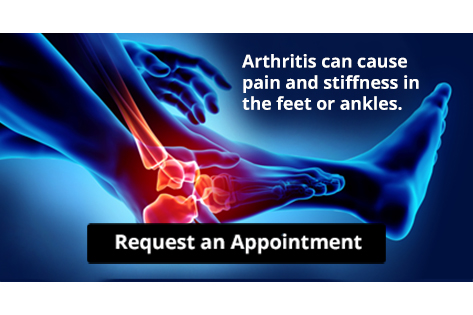
If you are suffering from tenderness, pain, or stiffness in the joints of your feet or ankles, call us to schedule an appointment.
Children and Shoes
 The best shoes for children will always meet their physical needs as their feet develop. Babies will benefit when they can walk barefoot while indoors, as this can help to strengthen the overall foot as the toes grip the floor. When your child starts to walk outside, it can be beneficial to choose a shoe that is made from good quality materials, in addition to ensuring that the sole is not too stiff. Shoe styles can vary, and it is helpful to get your child’s feet professionally measured, followed by trying on and walking in the shoes before any purchases are made. The feet are the foundation of the body, and shoes need to be changed as the feet grow. This allows the feet to have ample room to move and grow. If you would like additional information about what type of shoes to buy for your child, it is suggested that you confer with a podiatrist who can guide you toward the right shoes for your child.
Making sure that your children maintain good foot health is very important as they grow. If you have any questions, contact Dr. Tupper of Coshocton Foot Health Center. Our doctor can provide the care you need to keep you pain-free and on your feet.
Keeping Children's Feet Healthy
Having healthy feet during childhood can help prevent medical problems later in life, namely in the back and legs. As children grow, their feet require different types of care. Here are some things to consider...
Although babies do not walk yet, it is still very important to take care of their feet.
Avoid putting tight shoes or socks on his or her feet.
Allow the baby to stretch and kick his or her feet to feel comfortable.
As a toddler, kids are now on the move and begin to develop differently. At this age, toddlers are getting a feel for walking, so don’t be alarmed if your toddler is unsteady or ‘walks funny’.
As your child gets older, it is important to teach them how to take care of their feet.
Show them proper hygiene to prevent infections such as fungus.
Be watchful for any pain or injury.
Have all injuries checked by a doctor as soon as possible.
Comfortable, protective shoes should always be worn, especially at play.
If you have any questions please feel free to contact our office located in Coshocton, OH . We offer the newest diagnostic and treatment technologies for all your foot and ankle needs.
Contagious Toenail Fungus
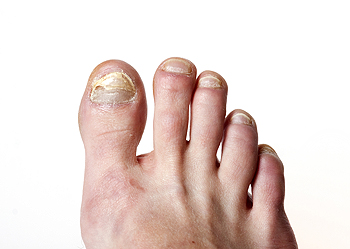 Research has indicated that millions of people worldwide are affected by toenail fungus. It is an unsightly condition that typically begins with symptoms showing in the big toe. These can include a change in nail texture and color, in addition to becoming thick, brittle, and gradually crumble. It is caused by a fungus that lives and thrives in warm and moist environments, consisting of public swimming pools, shower room floors, and surrounding areas. It is considered to be contagious, and can enter the body through tiny cracks in the skin on the feet. Treatment can begin with changing the socks and shoes daily, and properly trimming the toenails. If you are afflicted with toenail fungus, it is strongly advised that you are under the care of a podiatrist who can guide you toward the correct treatment technique.
If left untreated, toenail fungus may spread to other toenails, skin, or even fingernails. If you suspect you have toenail fungus it is important to seek treatment right away. For more information about treatment, contact Dr. Tupper of Coshocton Foot Health Center. Our doctor can provide the care you need to keep you pain-free and on your feet.
Symptoms
- Warped or oddly shaped nails
- Yellowish nails
- Loose/separated nail
- Buildup of bits and pieces of nail fragments under the nail
- Brittle, broken, thickened nail
Treatment
If self-care strategies and over-the-counter medications does not help your fungus, your podiatrist may give you a prescription drug instead. Even if you find relief from your toenail fungus symptoms, you may experience a repeat infection in the future.
Prevention
In order to prevent getting toenail fungus in the future, you should always make sure to wash your feet with soap and water. After washing, it is important to dry your feet thoroughly especially in between the toes. When trimming your toenails, be sure to trim straight across instead of in a rounded shape. It is crucial not to cover up discolored nails with nail polish because that will prevent your nail from being able to “breathe”.
In some cases, surgical procedure may be needed to remove the toenail fungus. Consult with your podiatrist about the best treatment options for your case of toenail fungus.
If you have any questions, please feel free to contact our office located in Coshocton, OH . We offer the newest diagnostic and treatment technologies for all your foot care needs.
What Are the Symptoms of Tarsal Tunnel Syndrome?
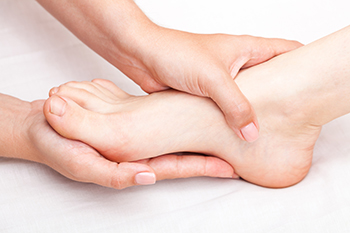 Tarsal tunnel syndrome may not be a commonly known ailment, but have you heard of carpal tunnel syndrome? Carpal tunnel affects the hands while tarsal tunnel syndrome occurs in the feet and can cause pain and discomfort. Research has indicated that people who have arthritis may be prone to developing this condition, in addition to frequently enduring high-stress activities. Some of the symptoms that are associated with this ailment often include tired feet and ankles, and the overall foot may be numb or have tingling sensations. Some patients have pain in the Achilles tendon area, and the ankles may appear swollen. There are several symptoms that can be associated with tarsal tunnel syndrome so it is strongly suggested that you consult with a podiatrist when they first develop. This type of doctor can properly diagnose and effectively treat this condition.
Tarsal tunnel syndrome can be very uncomfortable to live with. If you are experiencing tarsal tunnel syndrome, contact Dr. Tupper of Coshocton Foot Health Center. Our doctor can provide the care you need to keep you pain-free and on your feet.
Tarsal Tunnel Syndrome
Tarsal tunnel syndrome, which can also be called tibial nerve dysfunction, is an uncommon condition of misfiring peripheral nerves in the foot. The tibial nerve is the peripheral nerve in the leg responsible for sensation and movement of the foot and calf muscles. In tarsal tunnel syndrome, the tibial nerve is damaged, causing problems with movement and feeling in the foot of the affected leg.
Common Cause of Tarsal Tunnel Syndrome
- Involves pressure or an injury, direct pressure on the tibial nerve for an extended period of time, sometimes caused by other body structures close by or near the knee.
- Diseases that damage nerves, including diabetes, may cause tarsal tunnel syndrome.
- At times, tarsal tunnel syndrome can appear without an obvious cause in some cases.
The Effects of Tarsal Tunnel Syndrome
- Different sensations, an afflicted person may experience pain, tingling, burning or other unusual sensations in the foot of the affected leg.
- The foot muscles, toes and ankle become weaker, and curling your toes or flexing your foot can become difficult.
- If condition worsens, infections and ulcers may develop on the foot that is experiencing the syndrome.
A physical exam of the leg can help identify the presence of tarsal tunnel syndrome. Medical tests, such as a nerve biopsy, are also used to diagnose the condition. Patients may receive physical therapy and prescriptive medication. In extreme cases, some may require surgery.
If you have any questions please feel free to contact our office located in Coshocton, OH . We offer the newest diagnostic and treatment technologies for all your foot and ankle needs.
Lending a Hand to Care for Feet in the Elderly
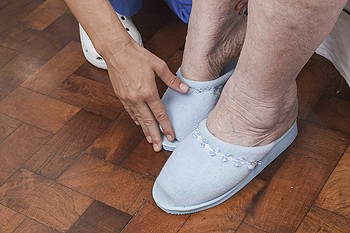
Helping your favorite senior citizen take care of their feet can improve their quality of life, help keep them safe and comfortable, and may even lead to early detection of systemic conditions that affect the feet. To protect their feet from injury, make sure they wear properly-fitted shoes at all times. Socks should not be tight at the ankle or leg, and they should be the moisture-wicking kind that transfers moisture to the outside of the sock. Keep their toenails trimmed, but not too short, to avoid ingrown toenails. Have them do stretches a few times a day for their feet and toes to keep the blood flowing (a podiatrist should be consulted first) and reward them with a relaxing foot bath which can relieve muscles and soothe bunions and dry skin. It is important to examine the bottom of the older adult’s feet regularly to check for cracks, cuts, blisters and sores and bring them to a podiatrist if anything unusual or concerning develops.
Proper foot care is something many older adults forget to consider. If you have any concerns about your feet and ankles, contact Dr. Tupper from Coshocton Foot Health Center. Our doctor can provide the care you need to keep you pain-free and on your feet.
The Elderly and Their Feet
As we age we start to notice many changes in our body, but the elder population may not notice them right away. Medical conditions may prevent the elderly to take notice of their foot health right away. Poor vision is a lead contributor to not taking action for the elderly.
Common Conditions
- Neuropathy – can reduce feeling in the feet and can hide many life-threatening medical conditions.
- Reduced flexibility – prevents the ability of proper toenail trimming, and foot cleaning. If left untreated, it may lead to further medical issues.
- Foot sores – amongst the older population can be serious before they are discovered. Some of the problematic conditions they may face are:
- Gouging toenails affecting nearby toe
- Shoes that don’t fit properly
- Pressure sores
- Loss of circulation in legs & feet
- Edema & swelling of feet and ankles
Susceptible Infections
Diabetes and poor circulation can cause general loss of sensitivity over the years, turning a simple cut into a serious issue.
If you have any questions please feel free to contact our office located in Coshocton, OH . We offer the newest diagnostic and treatment technologies for all your foot and ankle needs.