Items filtered by date: July 2020
Arthritis Can Cause Pain in the Feet and Ankles

If you are suffering from tenderness, pain, or stiffness in the joints of your feet or ankles, call us to schedule an appointment.
Are Foot Massages an Effective Form of Foot Therapy?
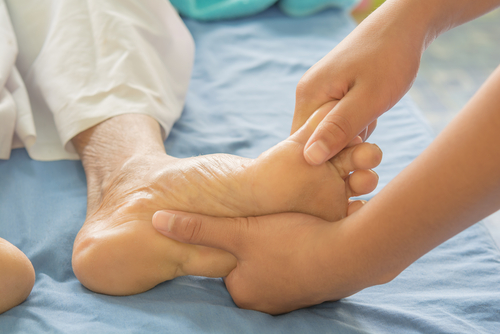 Many people enjoy the benefits of receiving foot massages. It is done by applying pressure to the numerous nerves that are located in each foot and may be beneficial in helping the feet to feel better. Patients who have regular foot massages may notice blood circulation has improved, and a decrease in bodily stress may be observed. After the feet are washed and dried, a proper massage is performed by stretching the toes and rubbing the bottom of the feet. Foot massages are considered to be a form of foot therapy. If you would like additional information on how to practice this type of therapy, it is suggested that you schedule a consultation with a podiatrist.
Foot therapy is often necessary for those recovering from either foot deformities or foot injuries. If you have concerns regarding therapy, consult with Dr. Tupper from Coshocton Foot Health Center. Our doctor can provide the care you need to keep you pain-free and on your feet.
Most Common Injuries
People who are active or athletes are prone to a variety of injuries. Therefore, it is often important to take part in physical therapy in order to quickly get back on the right track.
What to Do When Injured
Physical Therapy – This specialized treatment will focus on the affected area, speeding up recovery and the overall healing process. It is a proven method that has helped millions of people return from any injury.
During physical therapy you will undergo regimented training to get back into full form. Training is often very difficult, especially at first when the foot feels weak. Physical therapy often involves:
Basic stretching and twisting exercises – getting the feet’s mobility and flexibility up.
Massaging – the therapist will massage the injured area in order to activate the muscles and relax them.
Strengthening Exercises – this allows the muscles in the affected area to regain their full strength, a vital step towards full recovery.
If you have any questions please feel free to contact our office located in Coshocton, OH . We offer the newest diagnostic tools and technology to treat your foot and ankle needs.
Treatments for Sweaty Feet
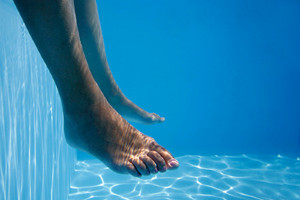 We all tend to sweat more in the summer months. However, if you find that your feet are often so sweaty that your shoes slip right off, you may have plantar hyperhidrosis. Plantar hyperhidrosis, or excessive sweating of the feet, is a medical condition that affects about 3% of the population. This problem can be embarrassing, but fortunately, there are effective treatments, including application of an antiperspirant, oral medications, and botox injections into the foot. Another proven treatment is iontophoresis, in which the foot is submerged in water that has a low-level electrical current running through it. The electrical current charges ions in the water, which get into the sweat glands in your feet and disrupt their ability to make sweat, ultimately leading to healthy, dryer feet. If you find yourself sweating excessively from your feet, consult with a podiatrist, who can help you select the treatment that is right for you.
If you are suffering from hyperhidrosis contact Dr. Tupper of Coshocton Foot Health Center. Our doctor can provide the care you need to attend to all of your foot and ankle needs.
Hyperhidrosis of the Feet
Hyperhidrosis is a rare disorder that can cause people to have excessive sweating of their feet. This can usually occur all on its own without rigorous activity involved. People who suffer from hyperhidrosis may also experience sweaty palms.
Although it is said that sweating is a healthy process meant to cool down the body temperature and to maintain a proper internal temperature, hyperhidrosis may prove to be a huge hindrance on a person’s everyday life.
Plantar hyperhidrosis is considered to be the main form of hyperhidrosis. Secondary hyperhidrosis can refer to sweating that occurs in areas other than the feet or hands and armpits. Often this may be a sign of it being related to another medical condition such as menopause, hyperthyroidism and even Parkinson’s disease.
In order to alleviate this condition, it is important to see your doctor so that they may prescribe the necessary medications so that you can begin to live a normal life again. If this is left untreated, it is said that it will persist throughout an individual’s life.
A last resort approach would be surgery, but it is best to speak with your doctor to find out what may be the best treatment for you.
If you have any questions please feel free to contact our office located in Coshocton, OH . We offer the newest diagnostic and treatment technologies for all your foot and ankle needs.
Read more about Hyperhidrosis of the FeetCauses of Heel Pain
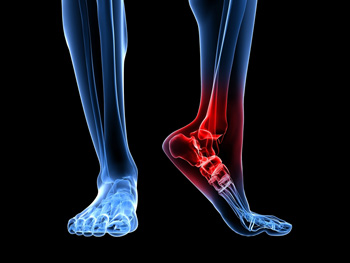 Heel pain can vary in severity and type. Since the heel is the first part of the foot to make contact with the ground, it absorbs the full force of impact and bears the most weight while walking. One of the most common causes of heel pain is plantar fasciitis. This occurs when the ligament that attaches the heel to the ball of the foot, known as the plantar fascia, becomes irritated. Heel spurs, which are bone growths at the bottom of the heel, can also cause heel pain. Other issues that can cause heel pain include repetitive stress or shock to the heel, standing for too long, or osteoarthritis. If you are experiencing heel pain, it is important to consult with a podiatrist to help diagnose and treat the painful condition.
Many people suffer from bouts of heel pain. For more information, contact Dr. Tupper of Coshocton Foot Health Center. Our doctor can provide the care you need to keep you pain-free and on your feet.
Causes of Heel Pain
Heel pain is often associated with plantar fasciitis. The plantar fascia is a band of tissues that extends along the bottom of the foot. A rip or tear in this ligament can cause inflammation of the tissue.
Achilles tendonitis is another cause of heel pain. Inflammation of the Achilles tendon will cause pain from fractures and muscle tearing. Lack of flexibility is also another symptom.
Heel spurs are another cause of pain. When the tissues of the plantar fascia undergo a great deal of stress, it can lead to ligament separation from the heel bone, causing heel spurs.
Why Might Heel Pain Occur?
- Wearing ill-fitting shoes
- Wearing non-supportive shoes
- Weight change
- Excessive running
Treatments
Heel pain should be treated as soon as possible for immediate results. Keeping your feet in a stress-free environment will help. If you suffer from Achilles tendonitis or plantar fasciitis, applying ice will reduce the swelling. Stretching before an exercise like running will help the muscles. Using all these tips will help make heel pain a condition of the past.
If you have any questions please contact our office located in Coshocton, OH . We offer the newest diagnostic and treatment technologies for all your foot and ankle needs.
What is Turf Toe?
 Turf toe, as the name suggests, is a sprain of the big toe joint that is especially common among athletes who play on artificial turf. This type of sprain often occurs during sporting activities such as football, soccer, gymnastics, and basketball. This injury is typically the result from jamming the toe or due to repeated injury when initially pushing off to begin jumping or running. The constant upward bending of the big toe joint can lead to a sprain. Symptoms may include pain, swelling, and limited joint movement that gradually worsens due to a repetitive action. To confirm that the toe is not broken, an X-Ray will need to be taken. If you believe you are suffering from turf toe, it is highly recommended that you are under the care of a podiatrist who will be able to diagnose and treat this condition.
Ankle and foot injuries are common among athletes and in many sports. They can be caused by several problems and may be potentially serious. If you are feeling pain or think you were injured in a sporting event or when exercising, consult with Dr. Tupper from Coshocton Foot Health Center. Our doctor will assess your condition and provide you with quality foot and ankle treatment.
Common Injuries
The most common injuries that occur in sporting activities include:
- Achilles Tendonitis
- Achilles Tendon Rupture
- Ankle Sprains
- Broken Foot
- Plantar Fasciitis
- Stress Fractures
- Turf Toe
Symptoms
Symptoms vary depending upon the injury and in some cases, there may be no symptoms at all. However, in most cases, some form of symptom is experienced. Pain, aching, burning, bruising, tenderness, tightness or stiffness, sensation loss, difficulty moving, and swelling are the most common symptoms.
Treatment
Just as symptoms vary depending upon the injury, so do treatment options. A common treatment method is known as the RICE method. This method involves rest, applying ice, compression and elevating the afflicted foot or ankle. If the injury appears to be more serious, surgery might be required, such as arthroscopic or reconstructive surgery. Lastly, rehabilitation or therapy might be needed to gain full functionality in the afflicted area. Any discomfort experienced by an athlete must be evaluated by a licensed, reputable medical professional.
If you have any questions, please feel free to contact our office located in Coshocton, OH . We offer the newest diagnostic and treatment technologies for all your foot care needs.