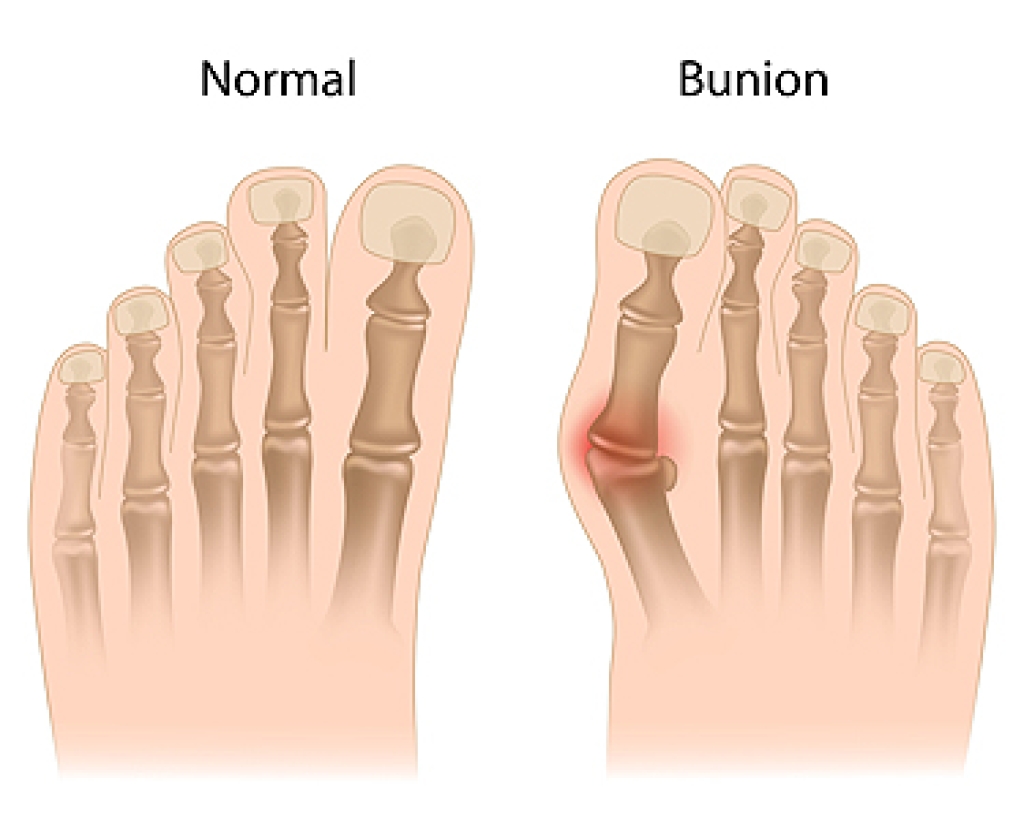
Bunion Basics and Foot Changes

A bunion is a bony bump that forms at the base of the big toe when the joint shifts out of alignment. It often appears as the toe leans toward the second toe, while the joint becomes prominent and swollen. This condition can develop due to inherited foot structure, flat feet, or joint instability. Wearing tight or narrow shoes may worsen the problem, especially in people who already have risk factors. Common symptoms include pain, redness, stiffness, and difficulty wearing certain shoes. As the bunion progresses, walking may become uncomfortable, and balance can be affected. A podiatrist can assess the severity and order X-rays and other imaging if needed. Treatment options include custom orthotics or surgical correction to restore alignment and reduce pain. If you have developed a bunion, it is suggested that you are under the care of a podiatrist who can help you to manage this type of foot deformity.

If you are suffering from bunions, contact Dr. Tupper of Coshocton Foot Health Center. Our practitioner can provide the care you need to keep you pain-free and on your feet.

What Is a Bunion?

A bunion is formed of swollen tissue or an enlargement of boney growth, usually located at the base joint of the toe that connects to the foot. The swelling occurs due to the bones in the big toe shifting inward, which impacts the other toes of the foot. This causes the area around the base of the big toe to become inflamed and painful.

Why Do Bunions Form?

Genetics – Susceptibility to bunions are often hereditary

Stress on the feet – Poorly fitted and uncomfortable footwear that places stress on feet, such as heels, can worsen existing bunions

How Are Bunions Diagnosed?

Podiatrists often perform two tests – blood tests and x-rays – when trying to diagnose bunions, especially in the early stages of development. Blood tests help determine if the foot pain is being caused by something else, such as arthritis, while x-rays provide a clear picture of your bone structure to your provider.

How Are Bunions Treated?

  • Refrain from wearing heels or similar shoes that cause discomfort
  • Select wider shoes that can provide more comfort and reduce pain
  • Anti-inflammatory and pain management drugs
  • Orthotics or foot inserts
  • Surgery

If you have any questions, please feel free to contact our office located in Coshocton, OH . We offer the newest diagnostic and treatment technologies for all your foot care needs.

Read more about Bunions

What Eases the Pain of Bunions and Bunionettes?

Bunions and bunionettes are deformities of the toes. A bunion occurs as a bony lump on the outside of the big toe. It causes the tip of the toe to excessively angle towards the other toes. A bunionette occurs on the pinky toe. Symptoms of a bunion or bunionette are a bulging bump on the side of the affected toe, swelling or redness around the toe, restricted movement, physical discomfort or pain, numbness, and difficulty walking. Both bunions and bunionettes can be caused or made worse by wearing poorly-fitted, tight, or uncomfortable shoes. Orthotics can help ease the pain associated with bunions and bunionettes by distributing the weight of the body evenly along the surface of the foot and relieving pressure on the affected toes. To find out if orthotics may help you with your bunion pain, please consult with a podiatrist. 

If you are having discomfort in your feet and would like to try orthotics, contact Dr. Tupper from Coshocton Foot Health Center. Our practitioner can provide the care you need to keep you pain-free and on your feet.

What Are Orthotics?

Orthotics are inserts you can place into your shoes to help with a variety of foot problems such as flat feet or foot pain. Orthotics provide relief and comfort for minor foot and heel pain but can’t correct serious biomechanical problems in your feet.

Over-the-Counter Inserts

Orthotics come in a wide variety of over-the-counter inserts that are used to treat foot pain, heel pain, and minor problems. For example, arch supports can be inserted into your shoes to help correct overarched or flat feet, while gel insoles are often used because they provide comfort and relief from foot and heel pain by alleviating pressure.

Prescription Orthotics

If over-the-counter inserts don’t work for you or if you have a more severe foot concern, it is possible to have your podiatrist prescribe custom orthotics. These high-quality inserts are designed to treat problems such as abnormal motion, plantar fasciitis, and severe forms of heel pain. They can even be used to help patients suffering from diabetes by treating foot ulcers and painful calluses and are usually molded to your feet individually, which allows them to provide full support and comfort.

If you are experiencing minor to severe foot or heel pain, it’s recommended to speak with your podiatrist about the possibilities of using orthotics. A podiatrist can determine which type of orthotic is right for you and allow you to take the first steps towards being pain-free.

If you have any questions, please feel free to contact our office located in Coshocton, OH . We offer the newest diagnostic and treatment technologies for all your foot care needs.

Read more about Ankle Foot Orthotics for Athletes

Treatment Options for Diabetic Foot Ulcers

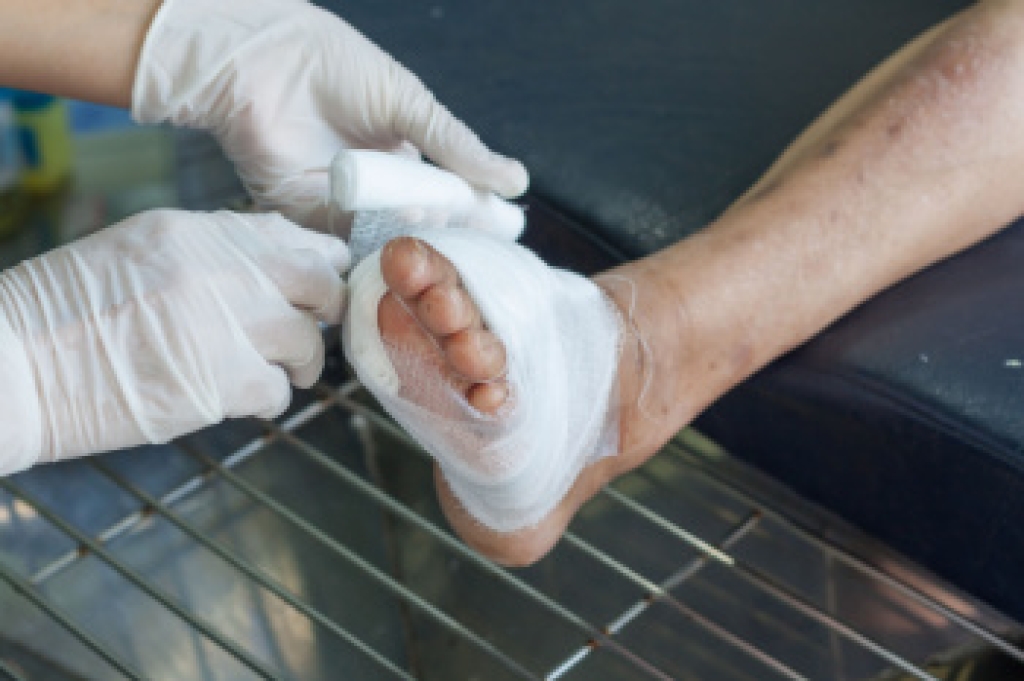
Diabetic foot ulcers are open sores that can develop when high blood sugar damages nerves and reduces blood flow in the feet. People with diabetic neuropathy may not feel pain from cuts, blisters, or pressure points, which allows wounds to worsen. Poor circulation also slows healing and raises the risk of infection. Common signs include redness, swelling, drainage, and skin that feels warm around the sore. Foot deformities, poorly fitting shoes, and repeated pressure while walking can also increase the risk of ulcers. A podiatrist can examine the wound, check circulation, and remove damaged tissue to help healthy skin heal. Treatment also includes special dressings, reducing pressure on the foot with supportive devices, and managing infection. Early care is important because untreated ulcers can lead to serious complications, including loss of limb. If you have developed diabetic foot ulcers, it is suggested that you make an appointment with a podiatrist. 

Diabetic foot care is important in preventing foot ailments such as ulcers. If you are suffering from diabetes or have any other concerns about your feet, contact Dr. Tupper from Coshocton Foot Health Center. Our practitioner can provide the care you need to keep you pain-free and on your feet.

Diabetic Foot Care

Diabetes affects millions of people every year. The condition can damage blood vessels in many parts of the body, especially the feet. Because of this, taking care of your feet is essential if you have diabetes, and having a podiatrist help monitor your foot health is highly recommended.

The Importance of Caring for Your Feet

  • Routinely inspect your feet for bruises or sores.
  • Wear socks that fit your feet comfortably.
  • Wear comfortable shoes that provide adequate support.

Patients with diabetes should have their doctor monitor their blood levels, as blood sugar levels play such a huge role in diabetic care. Monitoring these levels on a regular basis is highly advised.

It is always best to inform your healthcare professional of any concerns you may have regarding your feet, especially for diabetic patients. Early treatment and routine foot examinations are keys to maintaining proper health, especially because severe complications can arise if proper treatment is not applied.

If you have any questions, please feel free to contact our office located in Coshocton, OH . We offer the newest diagnostic and treatment technologies for all your foot care needs.

Read more about Diabetic Foot Conditions

Heel Pain Can Be Treated!

Do you suffer from heel pain when you get up in the morning? If so, you should seek professional help and have a proper diagnosis performed. Heel pain can be caused by several different foot-related conditions.

Gout and Pain in the Big Toe

Gout is a form of inflammatory arthritis caused by the buildup of urate crystals in the joints. These crystals form when uric acid levels in the body become elevated, leading to sudden and painful flare-ups. The big toe is commonly affected because of stress and lower temperature in the joint. Risk factors include male gender, alcohol intake, certain diets, and underlying health conditions. Symptoms include severe pain in the big toe, swelling, redness, and tenderness in the foot. The discomfort can appear quickly and limit movement. A podiatrist can help manage symptoms, provide guidance on lifestyle changes, and recommend treatments to reduce inflammation. If you have symptoms of gout, it is suggested that you are under the care of a podiatrist who can offer relief and management tips for this painful condition.

Gout is a painful condition that can be treated. If you are seeking treatment, contact Dr. Tupper from Coshocton Foot Health Center. Our practitioner will treat your foot and ankle needs.

What Is Gout?

Gout is a form of arthritis that is characterized by sudden, severe attacks of pain, redness, and tenderness in the joints. The condition usually affects the joint at the base of the big toe. A gout attack can occur at any random time, such as the middle of the night while you are asleep.

Symptoms

  • Intense Joint Pain - Usually around the large joint of your big toe, and it most severe within the first four to twelve hours
  • Lingering Discomfort - Joint discomfort may last from a few days to a few weeks
  • Inflammation and Redness -Affected joints may become swollen, tender, warm and red
  • Limited Range of Motion - May experience a decrease in joint mobility

Risk Factors

  • Genetics - If family members have gout, you’re more likely to have it
  • Medications - Diuretic medications can raise uric acid levels
  • Gender/Age - Gout is more common in men until the age of 60. It is believed that estrogen protects women until that point
  • Diet - Eating red meat and shellfish increases your risk
  • Alcohol - Having more than two alcoholic drinks per day increases your risk
  • Obesity - Obese people are at a higher risk for gout

Prior to visiting your podiatrist to receive treatment for gout, there are a few things you should do beforehand. If you have gout you should write down your symptoms--including when they started and how often you experience them, important medical information you may have, and any questions you may have. Writing down these three things will help your podiatrist in assessing your specific situation so that he or she may provide the best route of treatment for you.

If you have any questions, please feel free to contact our office located in Coshocton, OH . We offer the newest diagnostic and treatment technologies for all your foot care needs.

Read more about Everything You Need to Know About Gout
scroll to top