
How High Heels Can Affect Your Feet

High heels can change how weight is distributed across the feet and affect the way a person stands and walks. When the heel is raised, more body weight shifts toward the front of the foot. This places added pressure on the ball of the foot and nearby joints, which can contribute to pain and stiffness. High heels can also affect balance, posture, and overall foot function. The higher the heel, the more unstable the foot may become, increasing the risk of ankle sprains and other injuries.


Regularly wearing high heels may also affect the toes, heels, and supporting tissues. Narrow or pointed shoes can force the toes into an unnatural position and may contribute to the formation of hammertoes or bunions. High heels also keep the Achilles tendon in a shortened position. This may cause the tendon to become stiff and can contribute to Achilles tendonitis or plantar fasciitis. Pressure and rubbing around the back of the heel may lead to a bony enlargement known as Haglund’s deformity. Because high heels alter normal walking mechanics, their effects can extend beyond the feet and place additional stress on other parts of the body.


A podiatrist can evaluate foot pain related to high-heeled shoes and identify the structures that may be affected. An examination can help determine whether symptoms are connected to joint pressure, tendon problems, or changes in toe alignment. A podiatrist can also assess walking patterns and determine whether an injury or developing foot deformity requires treatment. Addressing persistent symptoms may help reduce the risk of long-term pain and additional foot problems. Professional care is especially important when discomfort begins interfering with walking, work, or other daily activities. If wearing high heels is causing ongoing foot or ankle pain, it is suggested that you consult a podiatrist for an evaluation and appropriate treatment options.

High heels have a history of causing foot and ankle problems. If you have any concerns about your feet or ankles, contact Dr. Tupper from Coshocton Foot Health Center. Our practitioner can provide the care you need to keep you pain-free and on your feet.

Effects of High Heels on the Feet

High heels are popular shoes among women because of their many styles and societal appeal.  Despite this, high heels can still cause many health problems if worn too frequently.

Which Parts of My Body Will Be Affected by High Heels?

  • Ankle Joints
  • Achilles Tendon – May shorten and stiffen with prolonged wear
  • Balls of the Feet
  • Knees – Heels cause the knees to bend constantly, creating stress on them
  • Back – They decrease the spine’s ability to absorb shock, which may lead to back pain.  The vertebrae of the lower back may compress.

What Kinds of Foot Problems Can Develop from Wearing High Heels?

  • Corns
  • Calluses
  • Hammertoe
  • Bunions
  • Morton’s Neuroma
  • Plantar Fasciitis

How Can I Still Wear High Heels and Maintain Foot Health?

If you want to wear high heeled shoes, make sure that you are not wearing them every day, as this will help prevent long term physical problems.  Try wearing thicker heels as opposed to stilettos to distribute weight more evenly across the feet.  Always make sure you are wearing the proper shoes for the right occasion, such as sneakers for exercising.  If you walk to work, try carrying your heels with you and changing into them once you arrive at work.  Adding inserts to your heels can help cushion your feet and absorb shock. Full foot inserts or metatarsal pads are available. 

If you have any questions, please feel free to contact our office located in Coshocton, OH . We offer the newest diagnostic and treatment technologies for all your foot care needs.
Read more about Effect of High Heels on the Feet

When Foot Cramps Require a Podiatrist Visit

A foot cramp occurs when a muscle suddenly tightens and does not relax. The arch is a frequent location, but cramping can also affect the toes or other parts of the foot. A cramp can feel like a dull ache, a hard knot, or sharp pain. It can last for seconds or several minutes. Some cramps happen after intense exercise because tired muscles can contract without warning. Others develop at night and interrupt sleep. Dehydration is another frequent cause because muscles need enough fluid to work properly. Staying hydrated is important, especially in hot weather or when exercising.

Foot cramps can also develop when the body has an imbalance of minerals that support muscle and nerve function. These minerals include potassium, sodium, and magnesium. Poor circulation can contribute because foot muscles may not receive enough oxygen and nutrients. Nerve damage linked to diabetes or a foot injury can cause cramping. Wearing tight shoes may place pressure on a nerve and worsen symptoms. Pregnancy, kidney disease, and thyroid problems are other causes. A podiatrist can evaluate cramps that are severe, happen frequently, or continue without a clear reason. Weakness, swelling, or skin redness also deserves medical attention.

A podiatrist can review the patient’s health history, activity level, and symptoms. The examination can assess circulation, nerve function, and muscle strength. The podiatrist may examine foot structure and check whether the patient’s shoes fit correctly and provide proper support. Blood tests can identify mineral imbalances or health problems that contribute to cramping. Nerve tests or imaging scans may be recommended when symptoms suggest nerve damage or another foot condition. Treatment depends on the cause and can involve changes in exercise, custom-fitted orthotics, or guidance on choosing better-fitting shoes. If you have frequent foot cramps, it is suggested that you schedule an appointment with a podiatrist for a diagnosis and appropriate treatment.

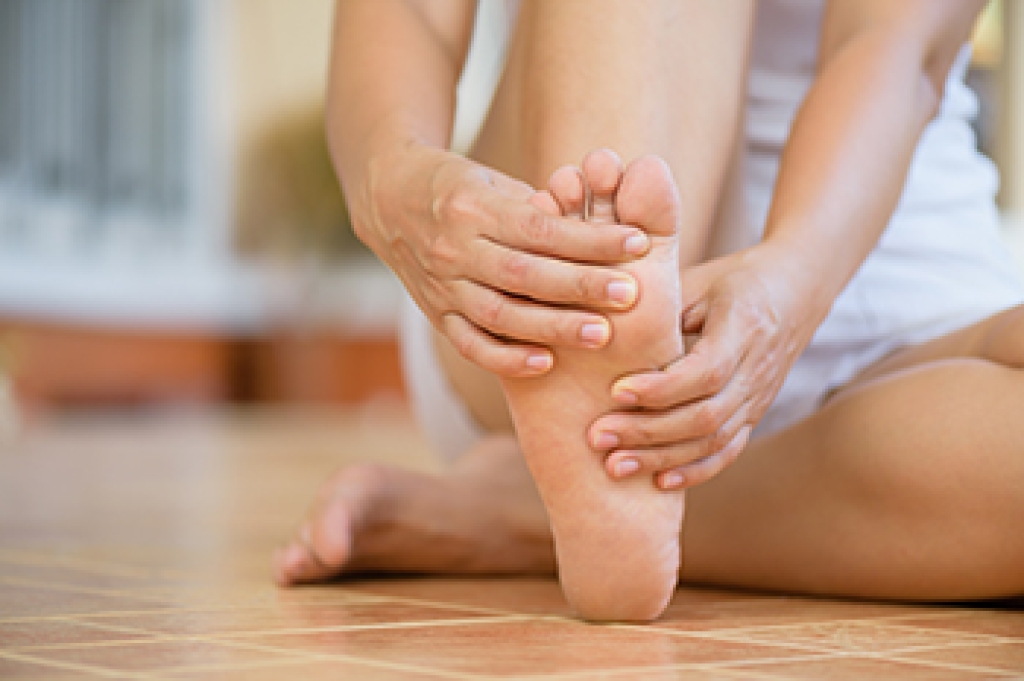
Foot Pain

Foot pain can be extremely painful and debilitating. If you have a foot pain, consult with Dr. Tupper from Coshocton Foot Health Center. Our practitioner will assess your condition and provide you with quality foot and ankle treatment.

Causes

Foot pain is a very broad condition that could be caused by one or more ailments. The most common include:

  • Bunions
  • Hammertoes
  • Plantar Fasciitis
  • Bone Spurs
  • Corns
  • Tarsal Tunnel Syndrome
  • Ingrown Toenails
  • Arthritis (such as Gout, Rheumatoid, and Osteoarthritis)
  • Flat Feet
  • Injury (from stress fractures, broken toe, foot, ankle, Achilles tendon ruptures, and sprains)
  • And more

Diagnosis

To figure out the cause of foot pain, podiatrists utilize several different methods. This can range from simple visual inspections and sensation tests to X-rays and MRI scans. Prior medical history, family medical history, and any recent physical traumatic events will all be taken into consideration for a proper diagnosis.

Treatment

Treatment depends upon the cause of the foot pain. Whether it is resting, staying off the foot, or having surgery; podiatrists have a number of treatment options available for foot pain.

If you have any questions, please feel free to contact our office located in Coshocton, OH . We offer the newest diagnostic and treatment technologies for all your foot care needs.

Read more about Foot Pain

Accessory Soleus Muscle and Outer Ankle Pain

An accessory soleus muscle is an uncommon extra muscle found near the lower portion of the calf and ankle. Most people have a soleus muscle that works with the calf muscle to help control movement of the ankle and push the foot downward. An accessory soleus muscle develops when additional muscle tissue is present beside the normal soleus. It may cause no symptoms, but some people experience pain, swelling, or pressure around the inner or outer ankle. 

The exact reason an accessory soleus muscle develops is related to differences in muscle development before birth. Although it is present from an early stage of life, symptoms may not appear until activity levels increase. Athletes and people involved in repetitive weight-bearing activities may notice discomfort because the extra muscle can become enlarged or irritated. A person may experience pain, tingling, or unusual sensations around the ankle and foot. Numbness on the outside of the ankle should be evaluated because several conditions can produce similar symptoms.


A podiatrist can evaluate the ankle, foot, and lower leg to determine whether an accessory soleus muscle is contributing to symptoms. The examination may include checking muscle strength, range of motion, and walking mechanics. Treatment depends on symptom severity and may include activity modification, supportive footwear, or custom orthotics. When conservative care does not provide relief and symptoms are significant, a podiatrist may discuss additional treatment options.


Persistent ankle pain or numbness should not be assumed to be caused by a simple muscle strain. Identifying the underlying problem is important because symptoms from an accessory soleus muscle can overlap with nerve compression and other foot or ankle conditions. A podiatrist can develop an individualized treatment plan designed to reduce irritation and improve comfortable movement. If you have pain, numbness, or unusual symptoms surrounding the ankle or foot, it is suggested that you consult a podiatrist for an accurate diagnosis and appropriate treatment.

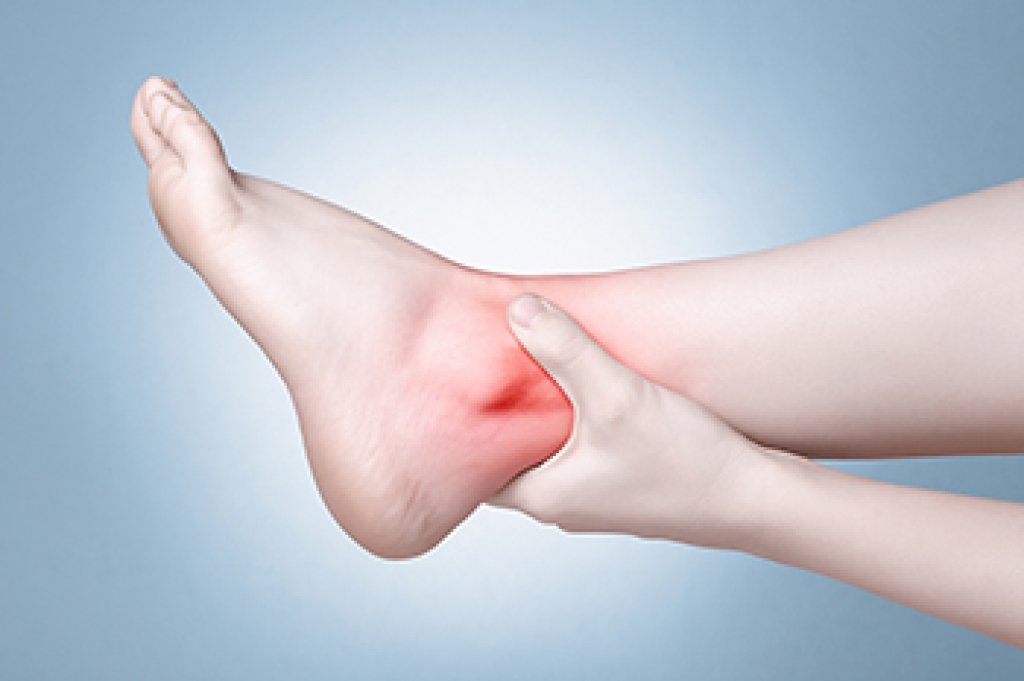
Ankle pain can be caused by a number of problems and may be potentially serious. If you have ankle pain, consult with Dr. Tupper from Coshocton Foot Health Center. Our practitioner will assess your condition and provide you with quality foot and ankle treatment.

Ankle pain is any condition that causes pain in the ankle. Due to the fact that the ankle consists of tendons, muscles, bones, and ligaments, ankle pain can come from a number of different conditions.

Causes

The most common causes of ankle pain include:

  • Types of arthritis (rheumatoid, osteoarthritis, and gout)
  • Ankle sprains
  • Broken ankles
  • Achilles tendonitis
  • Achilles tendon rupture
  • Stress fractures
  • Bursitis
  • Tarsal tunnel syndrome
  • Plantar fasciitis

Symptoms

Symptoms of ankle injury vary based upon the condition. Pain may include general pain and discomfort, swelling, aching, redness, bruising, burning or stabbing sensations, and/or loss of sensation.

Diagnosis

Due to the wide variety of potential causes of ankle pain, podiatrists will utilize a number of different methods to properly diagnose ankle pain. This can include asking for personal and family medical histories and of any recent injuries. Further diagnosis may include sensation tests, a physical examination, and potentially x-rays or other imaging tests.

Treatment

Just as the range of causes varies widely, so do treatments. Some more common treatments are rest, ice packs, keeping pressure off the foot, orthotics and braces, medication for inflammation and pain, and surgery.

If you have any questions please feel free to contact our office located in Coshocton, OH . We offer the newest diagnostic tools and technology to treat your foot and ankle needs.

Read more about Ankle Pain

Are You Suffering From Ingrown Toenails?

If left untreated, an ingrown toenail can lead to more serious concerns, such as an infection. Knowing proper nail care can help in the prevention of an ingrown toenail. Give us a call, and get treated!

Causes of Foot Pain While Cycling

Cycling is a low-impact activity, but it places repeated pressure on the feet with every pedal stroke. Long rides, hot weather, and shoes that fit too tightly can lead to numbness, burning sensations, or sore soles. Feet naturally swell while exercising, and stiff cycling shoes sometimes leave little room for that change. Pain can also develop when cycling cleats are not positioned correctly or when the bike fit places too much pressure on certain parts of the foot. Some cyclists notice discomfort in the arch. Others feel pain in the ball of the foot or tingling in the toes. In some cases, a thickened nerve between the toes causes burning pain or numbness. This condition develops when the nerve becomes irritated by repeated pressure.

A podiatrist carefully examines the feet to determine why cycling causes discomfort. The evaluation includes checking foot structure, joint movement, and areas of pressure. The podiatrist also looks for conditions like bunions and flat feet that can make cycling painful. Shoe fit and cleat position are also reviewed because both affect how force moves through the foot while pedaling. Even a small adjustment can reduce pressure on sensitive areas. Persistent numbness, burning, or pain that continues after a ride deserves prompt attention, because it can point to a condition that requires professional treatment.

Treatment depends on the cause of the pain and focuses on relieving pressure while improving foot function. A podiatrist can prescribe custom orthotics that support the feet inside cycling shoes and distribute pressure more evenly. Cleat placement and bike position can be evaluated to reduce stress on the forefoot and arch. Early diagnosis helps prevent symptoms from becoming more severe and allows cyclists to ride with greater comfort and confidence. If you have foot pain related to cycling, it is suggested that you schedule an appointment with a podiatrist for effective relief and treatment solutions.

Ankle and foot injuries are common among athletes and in many sports. They can be caused by several problems and may be potentially serious. If you are feeling pain or think you were injured in a sporting event or when exercising, consult with Dr. Tupper from Coshocton Foot Health Center. Our practitioner will assess your condition and provide you with quality foot and ankle treatment.

Common Injuries

The most common injuries that occur in sporting activities include:

  • Achilles Tendonitis
  • Achilles Tendon Rupture
  • Ankle Sprains
  • Broken Foot
  • Plantar Fasciitis
  • Stress Fractures
  • Turf Toe

Symptoms

Symptoms vary depending upon the injury and in some cases, there may be no symptoms at all. However, in most cases, some form of symptom is experienced. Pain, aching, burning, bruising, tenderness, tightness or stiffness, sensation loss, difficulty moving, and swelling are the most common symptoms.

Treatment

Just as symptoms vary depending upon the injury, so do treatment options. A common treatment method is known as the RICE method. This method involves rest, applying ice, compression and elevating the afflicted foot or ankle. If the injury appears to be more serious, surgery might be required, such as arthroscopic or reconstructive surgery. Lastly, rehabilitation or therapy might be needed to gain full functionality in the afflicted area. Any discomfort experienced by an athlete must be evaluated by a licensed, reputable medical professional.  

If you have any questions please contact our office located in Coshocton, OH . We offer the newest diagnostic and treatment technologies for all your foot and ankle needs.

Read more about Sports Related Foot and Ankle Injuries
scroll to top