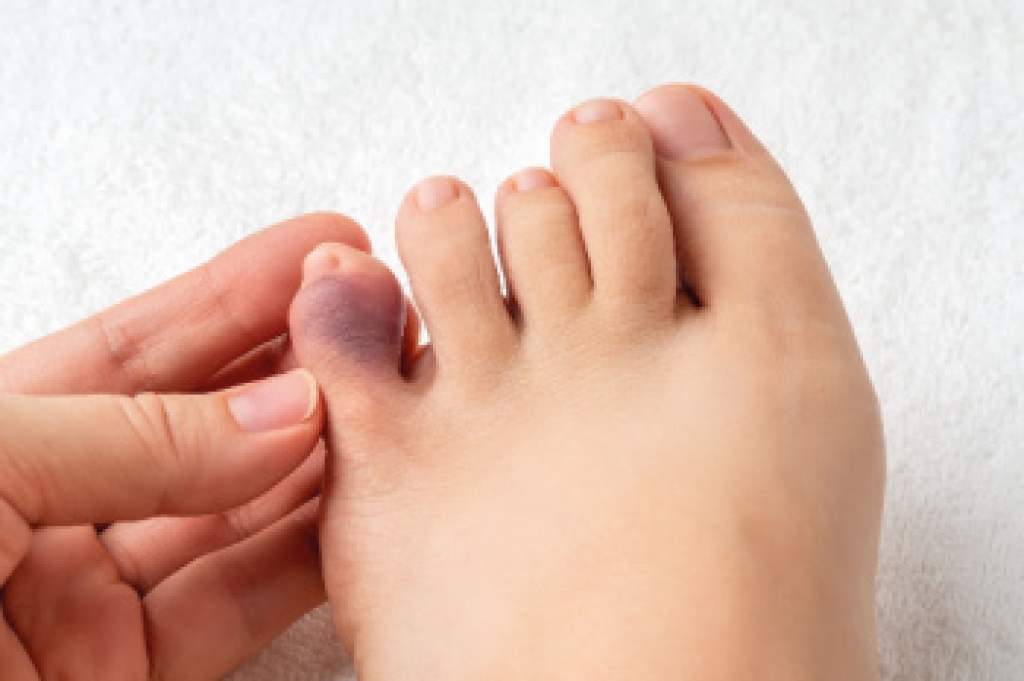
Signs and Causes of a Broken Pinky Toe

A broken pinky toe is a common foot injury that involves a fracture in the smallest toe. Despite its size, the pinky toe plays an important role in balance and weight distribution when walking. A fracture can occur from direct trauma or sudden impact and may range from a small crack to a more severe break. Because this injury can affect daily movement, understanding its definition and causes helps support timely care and proper healing.

Symptoms of a broken pinky toe often appear quickly after injury. Pain is usually immediate and may worsen with pressure or walking. Swelling and bruising are common, and the skin around the toe may appear discolored. In some cases, the toe may look crooked or out of alignment, which can indicate a more serious fracture. Tenderness to touch and difficulty wearing shoes are also frequent signs. These symptoms may limit mobility and should not be ignored.


The most common causes of a broken pinky toe involve accidental impact. Dropping a heavy object on the foot can create enough force to fracture the bone. Stubbing the toe against furniture or walls is another frequent cause. Kicking a hard object, whether during sports or daily activity, can also lead to injury. These incidents often occur unexpectedly and may result in immediate pain and visible changes in the toe.


Risk factors for this injury include engaging in physical activities without protective footwear, walking barefoot in unsafe environments, and having reduced awareness of surroundings. Individuals with weakened bones or balance issues may also face higher risk. Prompt attention can help prevent complications and support proper alignment during healing. If you have a broken pinky toe, it is suggested that you consult a podiatrist for effective treatment solutions.

A broken toe can be very painful and lead to complications if not properly fixed. If you have any concerns about your feet, contact Dr. Tupper from Coshocton Foot Health Center. Our practitioner will treat your foot and ankle needs.

What to Know About a Broken Toe

Although most people try to avoid foot trauma such as banging, stubbing, or dropping heavy objects on their feet, the unfortunate fact is that it is a common occurrence. Given the fact that toes are positioned in front of the feet, they typically sustain the brunt of such trauma. When trauma occurs to a toe, the result can be a painful break (fracture).

Symptoms of a Broken Toe

  • Throbbing pain
  • Swelling
  • Bruising on the skin and toenail
  • The inability to move the toe
  • Toe appears crooked or disfigured
  • Tingling or numbness in the toe

Generally, it is best to stay off of the injured toe with the affected foot elevated.

Severe toe fractures may be treated with a splint, cast, and in some cases, minor surgery. Due to its position and the pressure it endures with daily activity, future complications can occur if the big toe is not properly treated.

If you have any questions, please feel free to contact our office located in Coshocton, OH . We offer the newest diagnostic and treatment technologies for all your foot care needs.

Read more about What to Know About a Broken Toe

When Bunion Surgery May Be Needed for Lasting Relief

A bunion is a bony bump that forms at the base of the big toe due to joint misalignment. Over time, the big toe shifts toward the smaller toes, which causes the joint to protrude outward. This change can lead to discomfort and difficulty with daily activities. While many bunions can be managed with conservative care, some cases progress and require surgical treatment. Understanding when this type of foot surgery is needed helps individuals make informed decisions about their foot health.

Common symptoms of bunions include pain, swelling, redness, and limited movement of the big toe joint. The area may become tender, especially while wearing tight or narrow shoes. Risk factors include inherited foot structure, improper footwear, and conditions that affect joint alignment. High-heeled or narrow shoes can increase pressure on the forefoot, which may worsen the deformity over time. Additional causes include flat feet, arthritis, and repeated stress on the foot.


Bunion surgery may be recommended when symptoms interfere with daily life and do not improve with non-surgical treatments. Several types of procedures are used depending on the severity of the condition. These may include removal of part of the metatarsal head, removal of excess bone, and realignment of soft tissues around the joint. In some cases, the podiatric surgeon may reposition bones to restore proper alignment. Each surgical approach is designed to reduce pain, correct deformity, and improve function.


Deciding on bunion surgery involves evaluating symptoms, lifestyle needs, and overall foot health. Early treatment may prevent progression, but advanced cases may require surgical correction for long-term relief. Understanding the causes, symptoms, and treatment options can support better outcomes. If you are considering bunion surgery for lasting relief, it is suggested that you consult a podiatrist who can determine if this type of foot surgery is right for you. 

Foot surgery is sometimes necessary to treat a foot ailment. To learn more, contact Dr. Tupper of Coshocton Foot Health Center. Our practitioner will assist you with all of your foot and ankle needs.

When Is Surgery Necessary?

Foot and ankle surgery is generally reserved for cases in which less invasive, conservative procedures have failed to alleviate the problem. Some of the cases in which surgery may be necessary include:

  • Removing foot deformities like bunions and bone spurs
  • Severe arthritis that has caused bone issues
  • Cosmetic reconstruction

What Types of Surgery Are There?

The type of surgery you receive will depend on the nature of the problem you have. Some of the possible surgeries include:

  • Bunionectomy for painful bunions
  • Surgical fusion for realignment of bones
  • Neuropathy decompression surgery to treat nerve damage

Benefits of Surgery

Although surgery is usually a last resort, it can provide more complete pain relief compared to non-surgical methods and may allow you to finally resume full activity.

Surgical techniques have also become increasingly sophisticated. Techniques like endoscopic surgery allow for smaller incisions and faster recovery times.

If you have any questions, please feel free to contact our office located in Coshocton, OH . We offer the newest diagnostic and treatment technologies for all your foot care needs.

Read more about Foot and Ankle Surgery

Improving Balance and Reducing Fall Risk for Older Adults

Falls in seniors are a leading cause of injury and often result from a loss of balance or coordination. A fall occurs when the body is unable to maintain stability during movement or standing. Age-related changes in the muscles and joints can affect balance and increase the chance of falling. Reduced physical activity and underlying health conditions may also contribute. Understanding fall prevention strategies is key to protecting long term mobility and safety.

Common symptoms associated with fall risk include dizziness, instability, and difficulty maintaining posture. Seniors may feel unsure when walking on uneven surfaces or when changing direction. After a fall, individuals may experience pain in the feet, ankles, or other parts of the body. Swelling and limited movement can interfere with daily activities. Identifying these symptoms early can help reduce the likelihood of repeated falls.

Risk factors include poor physical conditioning, weak muscles, and lack of balance training. Social isolation and limited activity may lead to reduced strength and coordination. Foot problems, such as pain or improper footwear, can affect stability and increase fall risk. Environmental factors like poor lighting or cluttered walkways may also contribute. Falls often result from a combination of physical and environmental issues that affect safe movement.

Preventing falls involves improving balance and maintaining an active lifestyle. Exercises such as tai chi, pilates, and yoga can strengthen muscles and enhance coordination. Practicing balance techniques like walking in a straight line can improve stability. Wearing supportive footwear and regular foot care are also important for safe movement. If you have sustained a foot or ankle injury after a fall, it is suggested that you consult a podiatrist for effective relief and treatment solutions, and additional fall prevention tips.

Preventing falls among the elderly is very important. If you are older and have fallen or fear that you are prone to falling, consult with Dr. Tupper from Coshocton Foot Health Center. Our practitioner will assess your condition and provide you with quality advice and care.

Every 11 seconds, an elderly American is being treated in an emergency room for a fall related injury. Falls are the leading cause of head and hip injuries for those 65 and older. Due to decreases in strength, balance, senses, and lack of awareness, elderly persons are very susceptible to falling. Thankfully, there are a number of things older persons can do to prevent falls.

How to Prevent Falls

Some effective methods that older persons can do to prevent falls include:

  • Enrolling in strength and balance exercise program to increase balance and strength
  • Periodically having your sight and hearing checked
  • Discuss any medications you have with a doctor to see if it increases the risk of falling
  • Clearing the house of falling hazards and installing devices like grab bars and railings
  • Utilizing a walker or cane
  • Wearing shoes that provide good support and cushioning
  • Talking to family members about falling and increasing awareness

Falling can be a traumatic and embarrassing experience for elderly persons; this can make them less willing to leave the house, and less willing to talk to someone about their fears of falling. Doing such things, however, will increase the likelihood of tripping or losing one’s balance. Knowing the causes of falling and how to prevent them is the best way to mitigate the risk of serious injury.  

If you have any questions, please feel free to contact our office located in Coshocton, OH . We offer the newest diagnostic and treatment technologies for all your foot care needs.
Read more about Falls Prevention

Wounds That Don't Heal Need to Be Checked

Your feet are covered most of the day. If you're diabetic, periodic screening is important for good health. Numbness is often a sign of diabetic foot and can mask a sore or wound.

Finding Lasting Relief From Athlete’s Foot

Athlete’s foot is a fungal skin infection that affects the feet, especially between the toes. Fungi thrive in warm and damp places, making locker rooms, public showers, and sweaty shoes ideal environments. The infection spreads through direct contact or contaminated surfaces. It can also develop after wearing shoes for long periods without allowing the feet to stay dry. Early evaluation helps prevent the infection from spreading to other areas of the foot or toenails.

Symptoms include itching, peeling, and flaky skin. Some people develop blisters, soreness, or an unpleasant odor. Others notice dry, scaly skin that spreads across the sole or around the edges of the foot. Scratching the affected skin can increase irritation and allow the infection to spread more easily. A careful examination helps confirm the diagnosis and identify whether the infection has reached the toenails.

Podiatrists evaluate the affected skin, toenails, and foot structure to determine the best treatment. They can recommend prescription antifungal medication when necessary and monitor healing to make sure the infection is improving. They also check for skin damage and signs that the infection has spread beyond the original area. Prompt treatment helps reduce discomfort, protect healthy skin, and lower the risk of repeated infections. Healthy feet support comfort while walking and everyday activities. Professional care also helps identify conditions that can look similar to athlete’s foot, including eczema or psoriasis, so patients receive the correct diagnosis. Regular follow-up visits allow the podiatrist to monitor progress, answer questions, and help protect the skin from future problems. This ongoing attention supports healthier feet and reduces the chance of recurring infections affecting daily comfort and mobility. If you have symptoms of athlete’s foot, it is suggested that you schedule an appointment with a podiatrist for diagnosis and treatment.

Athlete’s Foot

Athlete’s foot is often an uncomfortable condition to experience. Thankfully, podiatrists specialize in treating athlete’s foot and offer the best treatment options. If you have any questions about athlete’s foot, consult with Dr. Tupper from Coshocton Foot Health Center. Our practitioner will assess your condition and provide you with quality treatment.

What Is Athlete’s Foot?

Tinea pedis, more commonly known as athlete’s foot, is a non-serious and common fungal infection of the foot. Athlete’s foot is contagious and can be contracted by touching someone who has it or infected surfaces. The most common places contaminated by it are public showers, locker rooms, and swimming pools. Once contracted, it grows on feet that are left inside moist, dark, and warm shoes and socks.

Prevention

The most effective ways to prevent athlete’s foot include:

  • Thoroughly washing and drying feet
  • Avoid going barefoot in locker rooms and public showers
  • Using shower shoes in public showers
  • Wearing socks that allow the feet to breathe
  • Changing socks and shoes frequently if you sweat a lot

Symptoms

Athlete’s foot initially occurs as a rash between the toes. However, if left undiagnosed, it can spread to the sides and bottom of the feet, toenails, and if touched by hand, the hands themselves. Symptoms include:

  • Redness
  • Burning
  • Itching
  • Scaly and peeling skin

Diagnosis and Treatment

Diagnosis is quick and easy. Skin samples will be taken and either viewed under a microscope or sent to a lab for testing. Sometimes, a podiatrist can diagnose it based on simply looking at it. Once confirmed, treatment options include oral and topical antifungal medications.

If you have any questions, please feel free to contact our office located in Coshocton, OH . We offer the newest diagnostic and treatment technologies for all your foot care needs.

Read more about Athlete’s Foot
scroll to top